Joom: Товар может вызывать аллергическую реакцию. Перед использованием ознакомьтесь с инструкцией и информацией на упаковке. Для получения дополнительной информации вы можете связаться с продавцом или производителем напрямую.
-----
Joom: Это устройство не заменяет профессиональный медицинский совет, диагностику или лечение. Перед использованием проконсультируйтесь с квалифицированным медицинским специалистом, если у вас есть сомнения. Продавец/дистрибьютор не несет ответственности за любые убытки, возникающие в результате неправильного использования, несанкционированных модификаций или использования вне указанных показаний.
-----
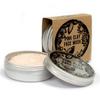
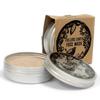
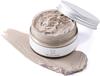
French green clay has a particular quality to it, cool and fine against the skin, with a faint mineral earthiness that feels genuinely unprocessed. This is the clay in its simplest form: a single ingredient, sourced in France, packed into an 80 g jar ready to be mixed and used at your own pace.
The clay itself
French green clay gets its colour from a combination of iron oxides and decomposed plant matter, chlorite and illite minerals laid down over geological time. The green is subtle and variable, ranging from a soft sage to a deeper grey-green depending on the deposit. It has a fine, almost silky grain, quite different from the coarser texture of rhassoul or the chalky weight of kaolin. Mined from deposits in France, it has long been associated with the French spa and thalassotherapy tradition, where mineral-rich clays and waters are used as part of a broader bathing and skin-care culture.
The ritual
The pleasure of a clay mask is partly in the making of it. You measure out a small amount of powder, add water (or a hydrosol, or a little plain yoghurt) a few drops at a time, and work it into a smooth paste with a spoon or spatula. The mixing is slow and deliberate, a small act of attention before the mask itself. Applied to the face, the clay feels cool and dense. As it dries, it tightens slightly and the colour shifts from deep green to a paler, chalky tone. That visible change is the cue to rinse. The whole process takes perhaps fifteen minutes, and the stillness it asks of you is part of the point.
Skin affinity
In the French spa tradition, green clay is typically associated with oilier and combination skin, where its absorbent mineral structure is thought to draw excess sebum to the surface. This is a traditional framing, not a clinical claim, but it is the context in which this clay has been used for generations, and it shapes how most people reach for it. A patch test before first use is sensible, particularly for reactive skin.
What you get
…
region of manufacture: France


 Товар из Великобритании


 Возврат по недоставке