Joom: Товар может вызывать аллергическую реакцию. Перед использованием ознакомьтесь с инструкцией и информацией на упаковке. Для получения дополнительной информации вы можете связаться с продавцом или производителем напрямую.
-----
Joom: Этот товар не является заменой профессиональному медицинскому совету, диагностике или лечению. Перед использованием проконсультируйтесь с квалифицированным медицинским специалистом, если у вас есть сомнения. Продавец/дистрибьютор не несет ответственности за любые убытки, возникающие в результате неправильного использования, несанкционированных модификаций или использования вне указанных показаний.
-----
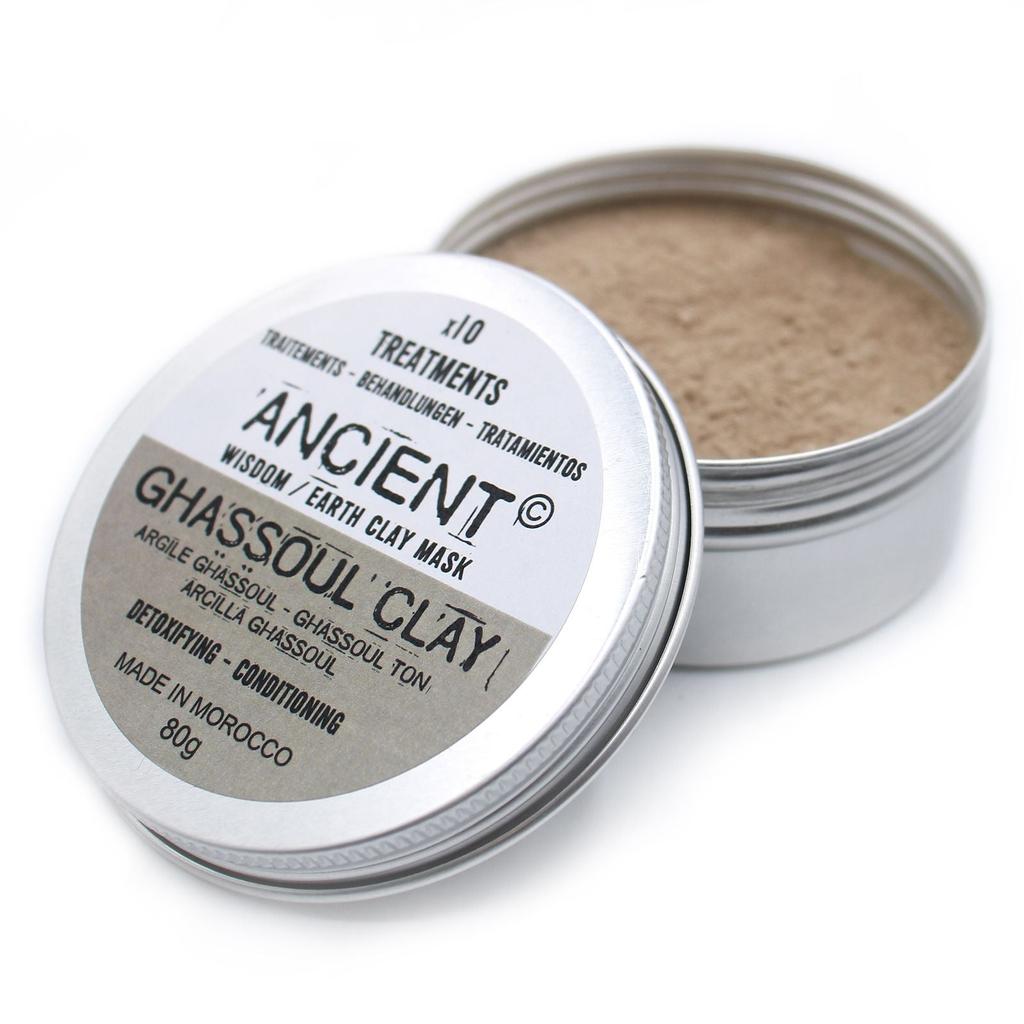
Cool clay, mixed fresh in your palm or bowl, turns a quick face mask into a slower skincare pause. This Moroccan ghassoul clay face mask is made from mineral clay from Tamdafelt, near Fez, and is for normal to oily skin. The ritual is simple: add water, smooth it on, and let the earthy paste settle while the room goes quiet.
The feel of Moroccan ghassoul clay
Mixed with water, the dry clay becomes a smooth paste with a naturally earthy character.
On the skin, it gives that familiar clay-mask feeling: cool at first, then gently tightening as it dries.
It suits a slow evening cleanse, a Sunday reset, or a quiet moment before a warm shower.
For normal to oily skin, it offers a simple, pared-back ritual.
It can also be used on the body, where you want the same clay-mask texture and rinse-clean finish.
Clay from Tamdafelt
Ghassoul clay, also written as Rassoul or Rhassoul, comes from Tamdafelt in north-west Morocco, near the city of Fez. This clay is mined by hand in an underground mine, giving it a clear sense of place and tradition. Its appeal is wonderfully direct: mineral earth, water, skin, and a few quiet minutes.
How to mix and apply it
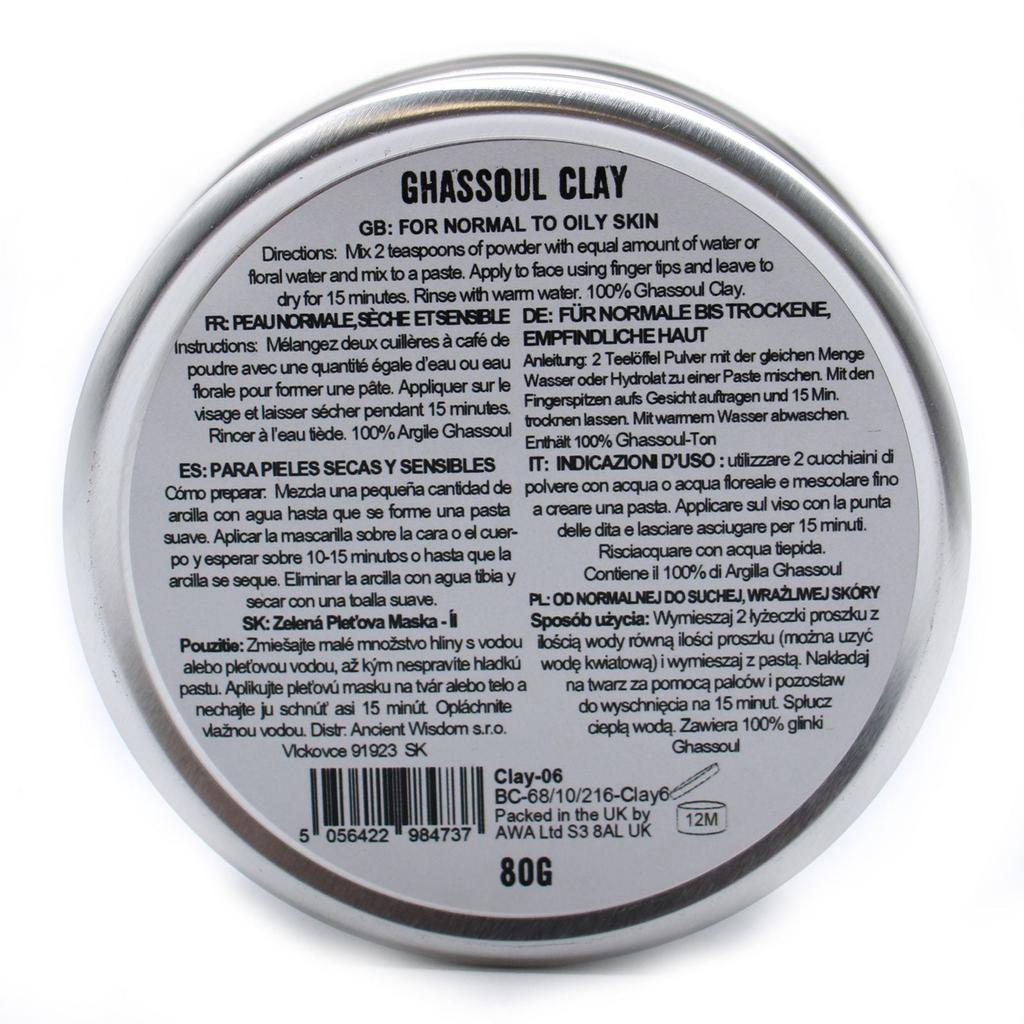
Mix two teaspoons of clay with an equal amount of water or floral water until it forms a smooth paste. Apply to the face or body and leave for 15 minutes before rinsing with lukewarm water. Pat dry with a soft towel.
Size and details
This is an 80 g face mask from the Clay Face Masks range. The clay is Ghassoul clay from Morocco.
Common questions
Can I use floral water instead of plain water?
Yes. The supplied guidance suggests mixing the clay with either water or floral water until you have a smooth paste.
Is this clay mask best for a particular skin type?
It is described for normal to oily skin.
Can it be used anywhere besides the face?
Yes. The paste can be applied to the face or body, then rinsed away with lukewarm water.




 Товар из Великобритании


 Возврат по недоставке