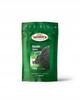
CHIA SEEDS (SALVIA HISPANICA)
Salvia hispanica enthusiasts claim that it was known and appreciated in ancient times. The Aztecs and Native Americans were said to have favored it, drawing physical and mental fitness from the tiny chia seeds.
Chia, or strength
There are two – not mutually exclusive – theories about the origin and meaning of the word chia. One theory holds that in the ancient Mayan language, it symbolized strength. The other claims that the name comes from the word chian, meaning "oily" in the Nahualth language.
It's likely that even in ancient times, our ancestors were aware that chia is an excellent raw material for producing high-quality oil.
Chia is one of the oldest cultivated plants. Its plantations are found mainly in Mexico and Guatemala, and less frequently in Bolivia, Australia, Argentina, and Ecuador. It is not yet known or widely used in Europe.
This is due to the fact that chia seeds were approved as a food product by the European Union relatively recently – in 2009.
Chia – small seeds, great power
They look so inconspicuous that it's hard to suspect they are a true vitamin and energy bomb. The nutritional value of chia seeds contributes to:
- improving memory and concentration,
- strengthening immunity,
- lowering bad cholesterol levels,
- eliminating free radicals (thereby delaying the aging process),
- improving digestive function,
- improving the condition of hair, skin, and nails,
- adding energy and vitality.
What do chia seeds taste like?
Chia seeds don't have a specific taste or smell. Its neutral nature means it can be added to virtually anything. However, it has an interesting property worth using when preparing drinks and desserts.
Chia easily absorbs water and fat, exhibiting thickening properties. It works perfectly as an addition to yogurts, juices, cocktails, and creams. Chia seeds are used to create nutritious puddings, thick drinks, and the currently popular smoothies.
Chia seeds are increasingly becoming a base for desserts and a staple ingredient in diet cakes and baked goods.
Recommended Daily Portion
The recommended daily amount of chia seeds is approximately 3 teaspoons, or 15 g. The amount of nutrients this portion provides is illustrated in the table below.
How to use
Chia seeds can be added whole or ground to muesli, yogurt, oatmeal, salads, and baked goods.
Store in a dry place in a tightly closed container.
> Iron - contributes to the proper production of red blood cells and hemoglobin.
> Magnesium - contributes to the reduction of tiredness and fatigue.


 Товар из Польши


 Возврат по недоставке