Сайт не поддерживает ваш браузер. Пожалуйста, обновите браузер, или скачайте другой
![Reversible Yukata Obi Lily Pattern Made in Japan [Warakugure] Kiryu-ori (Sash) - - (Light Blue)](https://img-edg.joomcdn.net/5b2a10976b36dcd267548a43d73a50aa07960ada_1024_810.jpeg)
Reversible Yukata Obi Lily Pattern Made in Japan [Warakugure] Kiryu-ori (Sash) - - (Light Blue)
Текущая цена
Цена 8 090 ₽ руб.Загрузка...
Загрузка...
Загрузка...
Загрузка...
Загрузка...
Загрузка...
Загрузка...
Загрузка...
Загрузка...
Загрузка...
Загрузка...
Загрузка...
Загрузка...
Загрузка...
Загрузка...

Бесплатная доставка в Россию
8 октября
 Товар из Японии
Безопасность платежей и защита данных


 Возврат по недоставкеГарантия по качествуНадежная логистикаЗащита конфиденциальности
Характеристики
Материал
лён 50%, полиэстер 50%
Описание


Похожие товары
![Двусторонняя юката Оби Лили Кирюори, сделано в Японии [Варакура] (зеленый)](https://img-edg.joomcdn.net/66fe1ee459d48973db2a7738ec1455644cf0f6d2_100_80.jpeg)

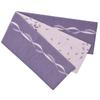


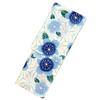

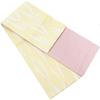
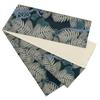

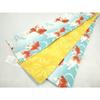

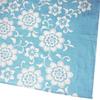
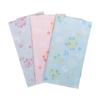
Reversible Yukata Obi Lily Pattern Made in Japan [Warakugure] Kiryu-ori (Sash) - - (Light Blue) — купить товар онлайн с бесплатной доставкой по всему миру!
Доступные цвета: Синий
Качественные материалы:
Реальные фото и отзывы покупателей.
Большой размерный ряд:
Отзывы о похожих товарах
Доставка по России
Международный ассортимент
Возврат средств за заказы, соответствующие условиям, и круглосуточная поддержка клиентов
Скидка на первую покупку для новых клиентов