Joom: Это устройство не заменяет профессиональный медицинский совет, диагностику или лечение. Перед использованием проконсультируйтесь с квалифицированным медицинским специалистом, если у вас есть сомнения. Продавец/дистрибьютор не несет ответственности за любые убытки, возникающие в результате неправильного использования, несанкционированных модификаций или использования вне указанных показаний.
-----
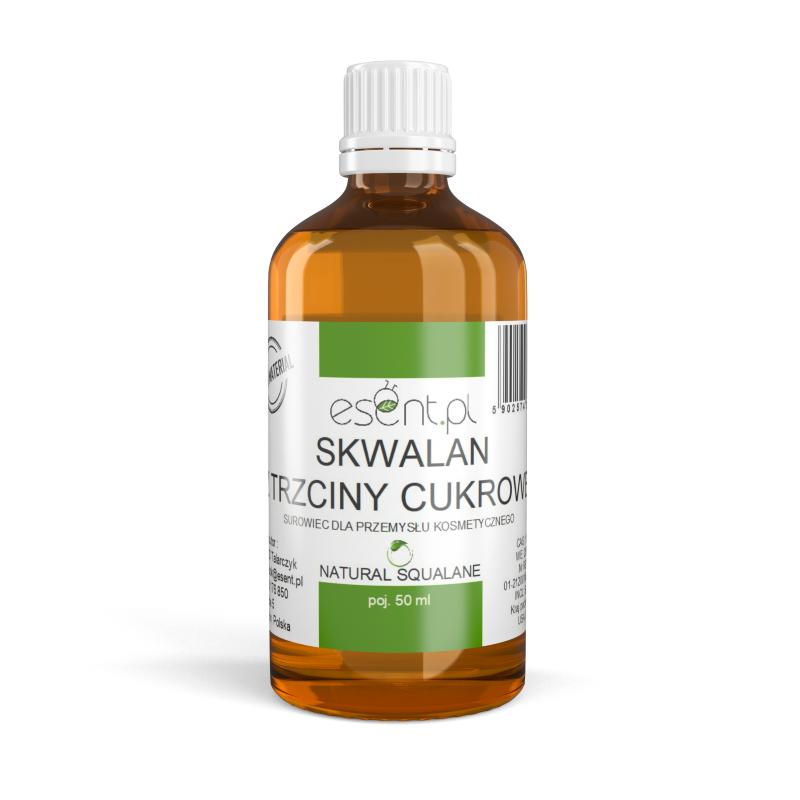
Product Metrics Raw Material for the cosmetic and chemical industry : Squalane from sugar cane / Neossance™ Squalane INCL : Squalane CAS: 111-01-3 EC: 203-825-6 REACH No.: 01-2120014832-65-0004 Chemical characterization: paraffin hydrocarbons Squalane produced by Aprinnova, LLC. from the United States, the entity introducing it into the EU is Penman Consulting bvba from Belgium. Sugar cane squalane, obtained through biotechnological processes from sugar cane, is currently (2109) the purest form of squalane, has a high chemical affinity for squalene present in human sebum. It has the form of an oily, odorless liquid and feels like an ultra-light and perfectly absorbable oil (sometimes called dry oil). Squalane perfectly penetrates through the epidermis into the deeper layers of the skin, moisturizes and stimulates cell self-regeneration. After treatment with cosmetics containing squalane, the skin becomes firmer and smoother, wrinkles are reduced, and it gains a radiant glow. It can be used in formulas for all skin types (including delicate skin). It dissolves and acts as a solvent for all vegetable oils and other fat-soluble substances, and thanks to its ability to penetrate deeper layers of the skin, it is an excellent "carrier" of active ingredients. In cosmetic formulas, squalane can act as both an active ingredient and an auxiliary (the aforementioned "carrier" properties). It is impossible to present all the possible applications of this raw material in a short description. It works excellently in all types of oil mixtures (serums) and can be combined with fat-soluble vitamins (vitamin E acetate, vitamin C tetroisopalmitate, etc.). In creams and lotions, it is added in the oil phase. Recommended concentration in formulations is 1 to 100%.

 Товар из Польши


 Возврат по недоставке