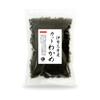
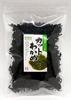
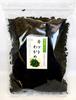
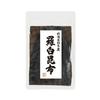
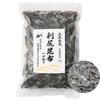
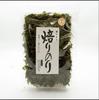
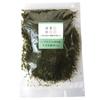
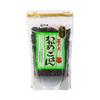
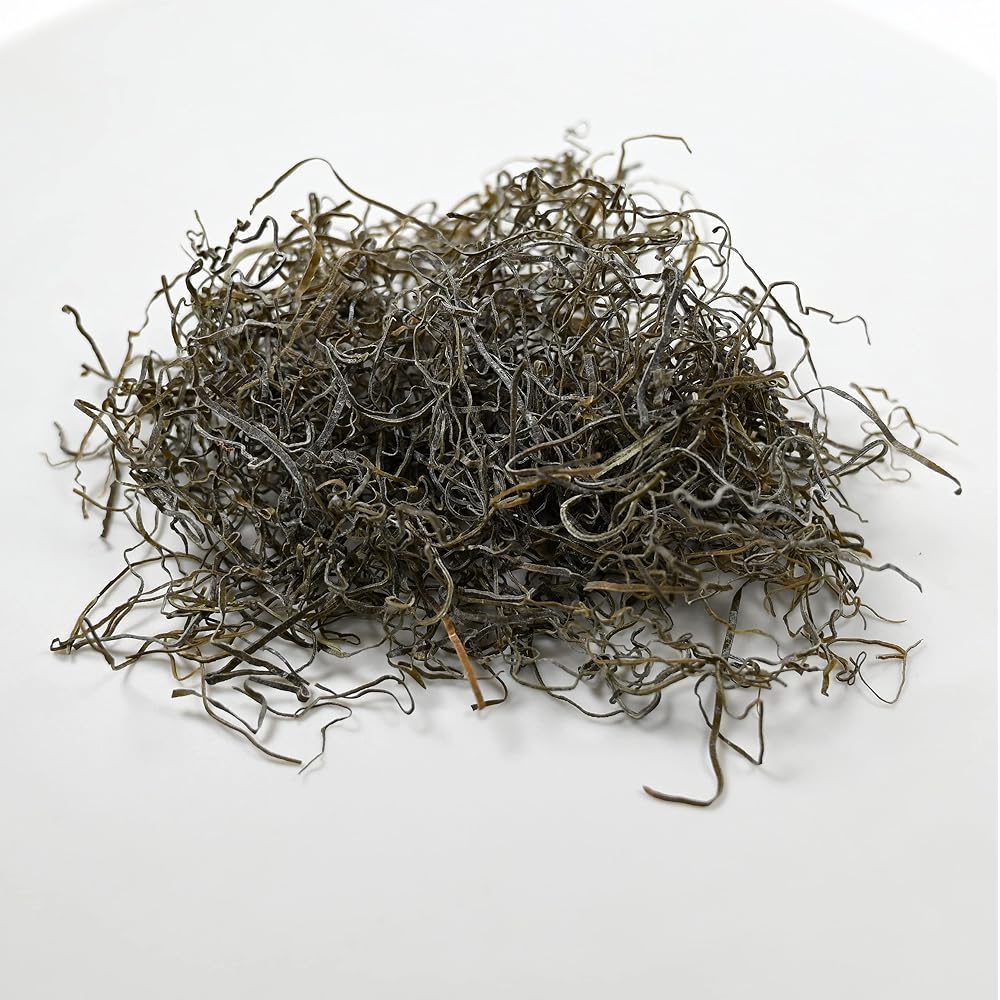
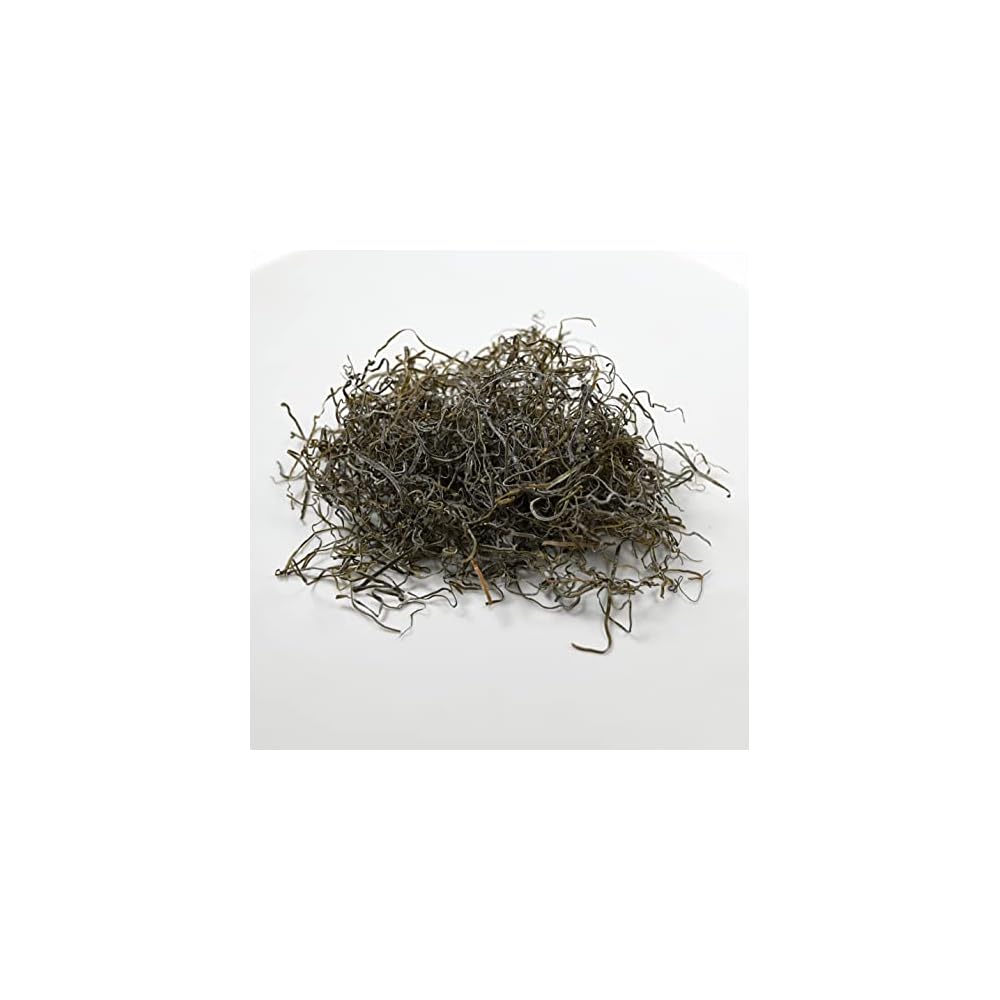
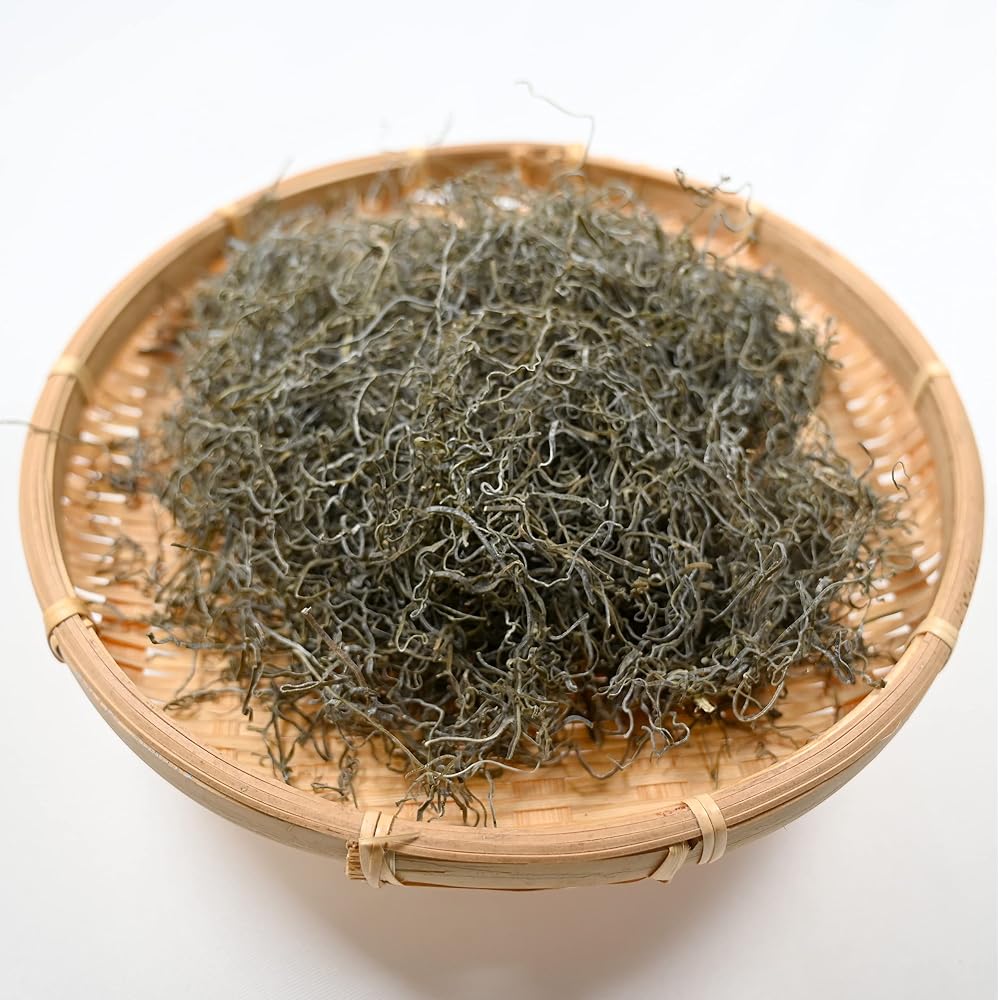
The net weight has been changed from 75g to 65g. ✅【Hokkaido-produced Gagome Kombu/Shredded】Gagome kombu is a type of shredded kelp that grows only in certain areas of Hokkaido. Because it's shredded, rehydrating it takes only a short time, making it convenient for everyday use in seaweed dishes such as natto kombu (kelp with fermented soybeans).
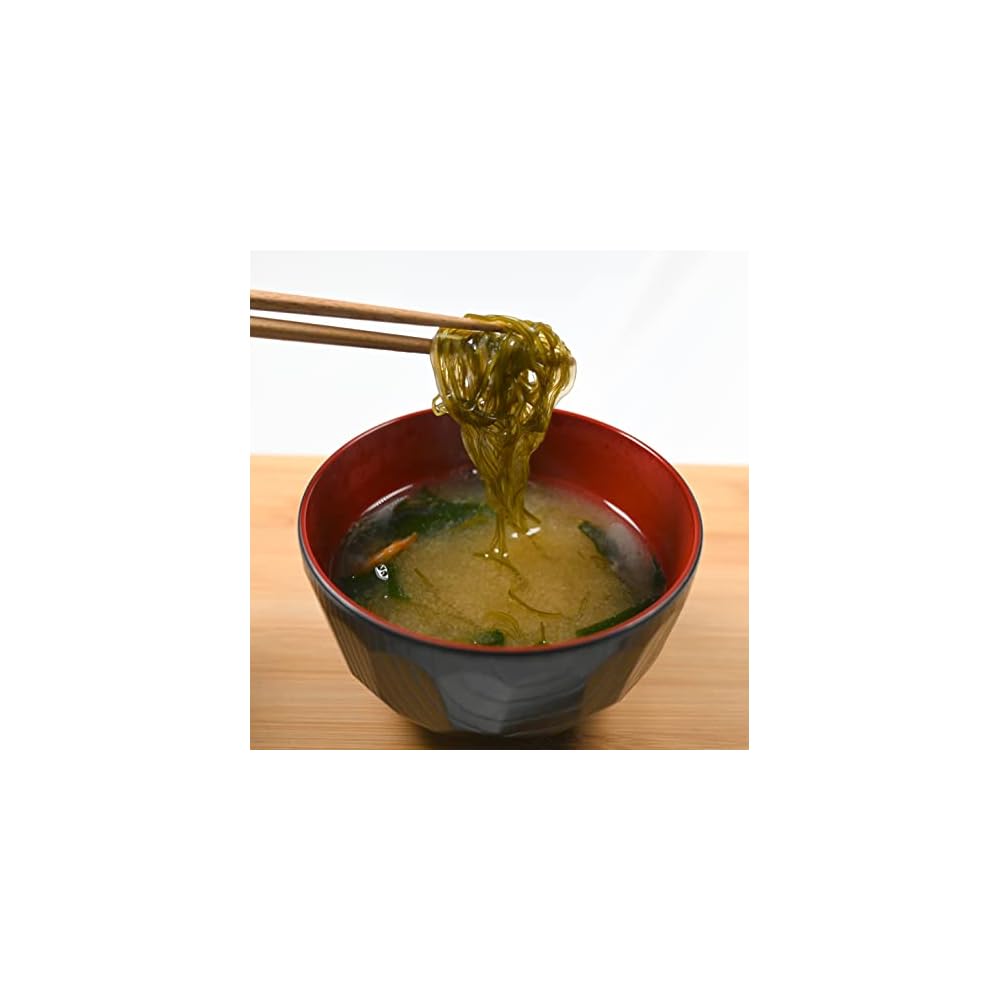
✅【Easy Gagome Kombu with Shredded Cutting】Gagome kombu is shredded for easy consumption, eliminating the need to soak it overnight. The finely shredded cut leaves a smooth texture even after rehydrating. It's ideal as an ingredient in soups, miso soup, and natto kombu (kelp mixed with fermented soybeans).
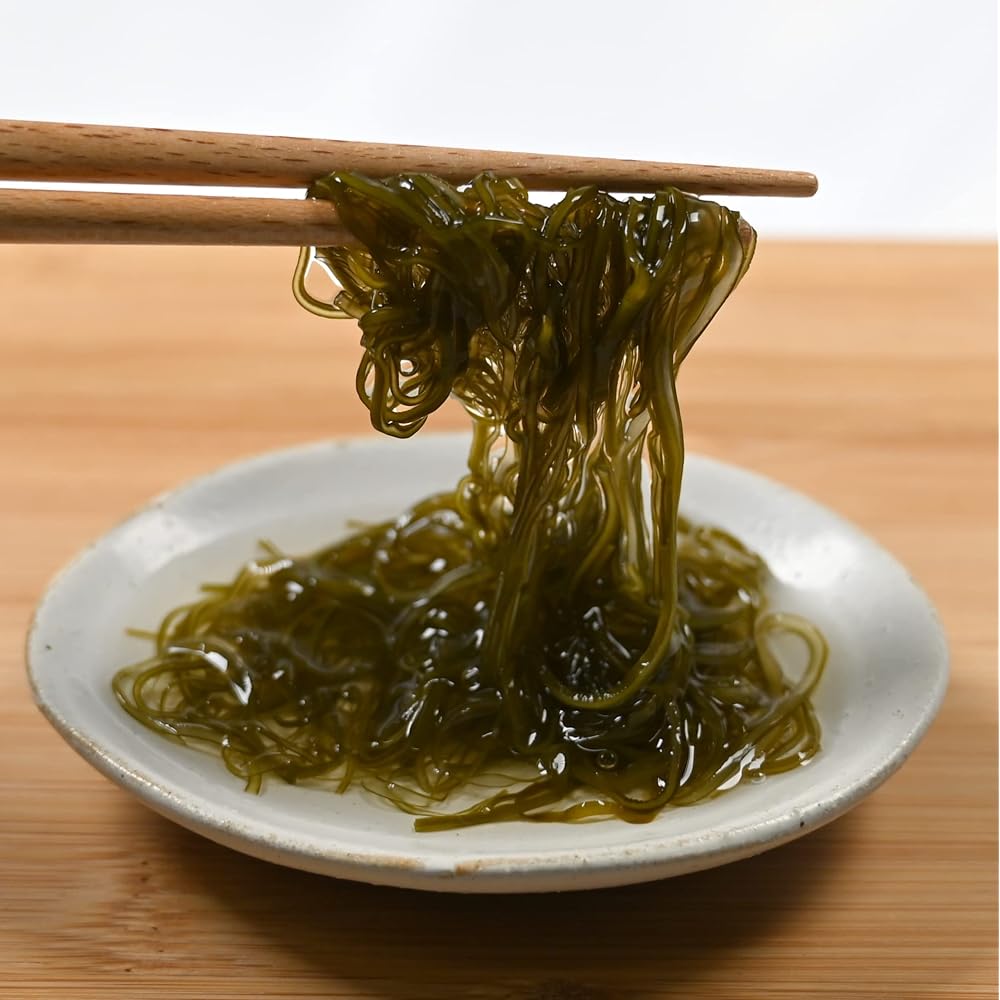
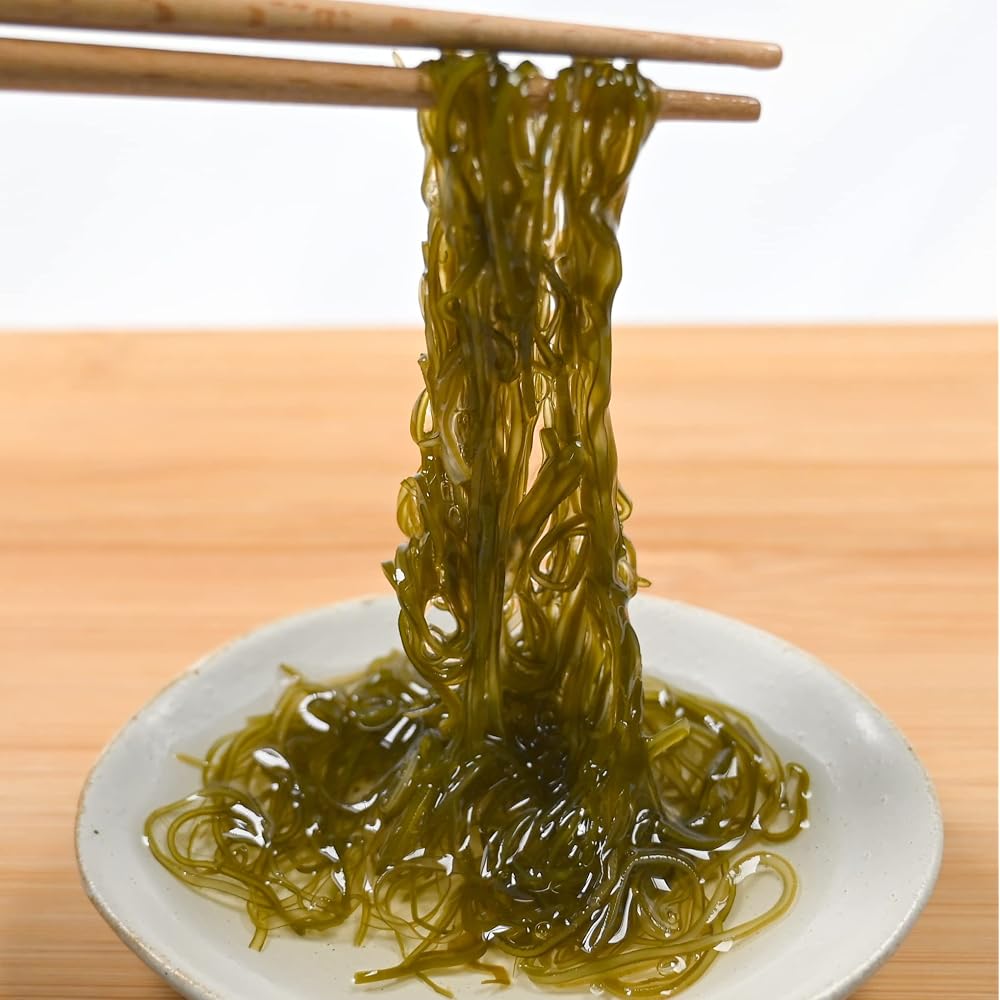
✅【What is Gagome Kombu?】Gagome kombu is a type of shredded kelp with a strong viscosity, and is a rare seaweed that grows only in the waters off Hakodate, Hokkaido. The strong viscosity of gagome kombu is proof of its high nutritional value. While true kelp and Rishiri/Rausu kelp may have the edge in terms of "umami" (savory flavor), this type of kelp has suddenly gained attention for its sticky texture when eaten as natto (fermented soybeans) and its high nutritional value.
✅【Highly Nutriented Sticky Seaweed】Gagome kelp, famous as a sticky food along with Kajime (tororome) kelp from Shizuoka, is rich in nutrients such as water-soluble dietary fiber, alginic acid, fucoidan, and laminaran. Thinly sliced gagome kelp makes it easy to incorporate seaweed nutrients into your daily routine without any hassle.
✅【Versatile for Salads and Rice Dishes】Once rehydrated in water and softened, it can be easily used in dishes like natto kelp, pickled vegetable salads, or salads with seafood like whitebait and octopus. It can also be cooked in a rice cooker with other ingredients for a simple rice dish. Like tororo kelp, it can also be used as an ingredient in soups and miso soup.
This rare Hokkaido-grown gagome kelp has been thinly sliced for easy use. Compared to other types of kelp such as Makonbu, Rishiri, and Rausu kelp, this seaweed has a stronger sliminess and viscosity, and together with Shizuoka's Kajime (tororome) kelp, it is a highly regarded sticky food. Because it is cut into thin strips, it takes less time to rehydrate in water and has a softer texture. It is recommended as an ingredient in vinegared dishes, pickles, soups, and miso soup.








 Товар из Японии


 Возврат по недоставке