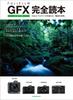
The "Pocket PEN Field Book" is a reliable companion for those times when you have a camera in your hands but are overwhelmed by the complexity of the instruction manual. This is an independent guide for the OM SYSTEM PEN, not an official manual or promotional material.
You acquired that small, beautiful camera to take pictures, not to add another "gadget" that requires learning how to use. So why, from the very first afternoon you start using it, do you feel anxious, fumbling around trying to figure it out? Why do photos that looked great on the LCD screen sometimes disappoint later? And why are there hidden settings within the supposedly "simple" PEN that are essential for making your travel memories truly valuable?
Imagine a morning when you spontaneously decide to take a walk, and slip that camera into your jacket pocket. Light is commonplace, but that moment is special. This book was written for moments like that. This guide explains everything from initial charging and uncooperative memory cards to capturing expressions that the camera struggles to capture, the silent shutter causing banding under cafe lighting, and setting up "custom modes" so you can hand the camera over to someone without lengthy explanations. Written by Kenji Morishita, this guide will support you from the initial consideration stage to actual shooting, providing practical reference information that's useful in the field, rather than mere theoretical discussion.
You're not behind the times. The PEN is a new camera, its menu structure is complex, and the spec sheet alone doesn't tell you whether "30 frames per second" is a benefit or a pitfall. The reliability of this book is clear. It focuses specifically on the "OM SYSTEM PEN as of September 2026," clearly distinguishing between published specifications and practical advice. There are no exaggerations or misleading statements, such as claiming an IPX1 rating is like a raincoat or that a 20.4-megapixel sensor behaves like a larger sensor.
This book will help you reduce the chances of shooting failures, use lighter equipment, and find settings you can easily reproduce even when you're tired. You'll be able to decide whether to choose a body-only, 14-42mm kit, or double zoom kit without having to buy lenses you won't carry around.
You'll learn how to properly set RAW settings, focus, and image stabilization so you can take usable photos from your very first shot.
You'll learn to intentionally utilize exposure, subject detection, and the CP button.
You'll learn how to take full advantage of your camera's capabilities in various types of photography, including street photography, travel, family documentation, and short videos.
You'll learn how to solve problems that are often blamed on the camera, such as "sweet" rendering (soft focus), card errors, pairing failures, and mishandling of weather conditions.
A quick start card, spec comparison chart, and glossary are included at the end of the book.
Just one spoiler: the "Silent Custom Mode" setting is not simply "turning on silent mode." It makes a difference whether you can blend into your surroundings and participate in the ceremony, or whether you draw attention to yourself with flicker, AF hunting, and operating noise. Detailed settings instructions are in this book.
If you think this is just a promotional brochure or a rehash of an instruction manual, you're wrong. Those worried about the content quickly becoming outdated can rest assured. The appendix includes information on the compatibility of the camera body with the current firmware. Those already familiar with cameras can skip the introductory section and use the troubleshooting table. Beginners don't need to buy a separate body right away.
This is the perfect gift for travel enthusiasts, those who have just acquired a PEN, graduates choosing their first serious camera, or friends who only use smartphones but want to try a "good lens."
Don't wait until you bring home an SD card full of "almost-there" photos; get "The Pocket PEN Field Book" before your next outing.


 Товар из Японии


 Возврат по недоставке