Renault Laguna 3
• model years 2007 – 2015
• standard models - without system 4control
*After purchase please send us your VIN numberto select the right hose kit.
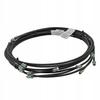
• Central front left - 7
• Central front right - 5
• Central rear left - 8
• Central rear right - 6
And two ŁPS-1 brass hose connectors
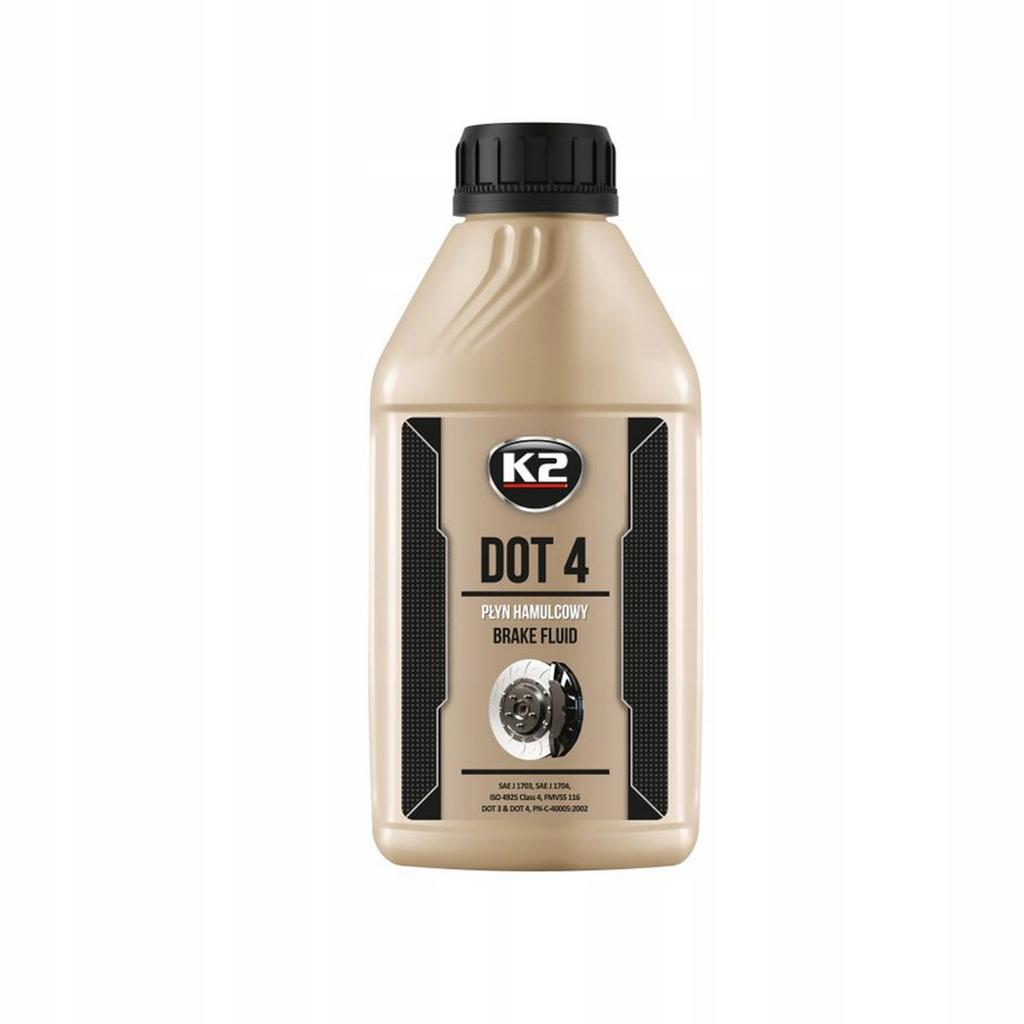
Additionally, we add 500ml of DOT-4 brake fluid to this set
Our ZPHM series rigid copper brake hose sets are made of high-quality, seamless CuDHP R200 copper pipe, compliant with the PN-EN 12449 standard. This pipe comes from a leading European steelworks, which ensures:
• Copper brake hoses can operate at a working pressure of up to 220 bar, and an additional safety factor of x3.5 means that the burst pressure exceeds 750 bar. For comparison, in a typical braking system, the maximum pressure reaches approximately 100 bar.
• Copper with a hardness of R200/R220 is relatively malleable, making crimping and profiling possible even with simple hand tools, significantly simplifying installation.
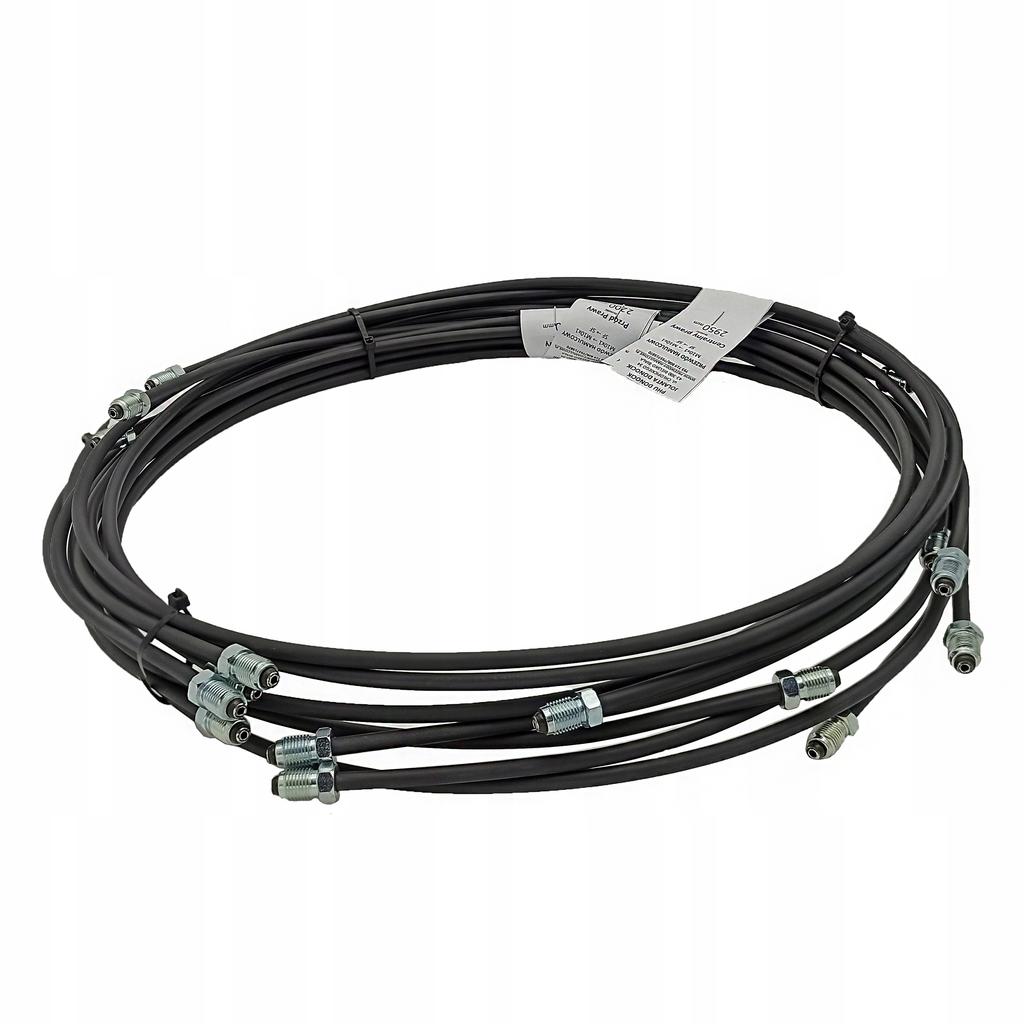
Ready-to-install kit:
• The hoses in our kit are ready for installation – they have the appropriate types of crimping, and the ends have the correct size and thread pitch. Each hose is made to measure and marked with its location, significantly speeding up installation.
• The hose dimensions are precisely matched based on the vehicle manufacturer's technical specifications. Additionally, our technical department checks the correct selection of parts based on the VIN number, ensuring maximum accuracy and minimizing the risk of discrepancies between catalog data and the actual condition of the vehicle.
Terminals made of high-quality galvanized steel:
• The hose terminals in ZPHM sets are made of high-quality galvanized free-cutting steel, which provides them with high corrosion resistance. Each terminal is manufactured in Poland, guaranteeing controlled quality and compliance with European standards.
• ZPHM/M - ZPHM/I versions are also available, with brass or stainless steel terminals.
• The hoses are delivered in coils, properly secured for transport. They require profiling before assembly. Bending machines can be used for profiling, but a skilled mechanic can also do it without specialized tools.
• Rigid copper brake lines are an excellent choice for those seeking products that combine high corrosion resistance, durability, and ease of installation. Made from high-quality materials, ZPHM kits guarantee long-term reliability, even in harsh operating conditions.
Their ease of profiling makes installation quick and hassle-free and therefore cheaper, making them an attractive option for owners of older or more budget-friendly vehicles.
FAQ – Frequently Asked Questions
1. What are the advantages of rigid copper brake lines?
Copper lines are corrosion-resistant, making them ideal for highly corrosive environments. Additional advantages of copper lines include:
• Easy to crimp and swell – Copper is easy to work with, so crimping and swell is easier, and only basic, simple tools are needed.
• Faster installation and profiling – The ductility of copper makes the lines easily formable, reducing installation time and making replacement less complicated.
• Economical choice – Copper lines are a cheaper alternative to steel lines, allowing for a low-cost restoration of older vehicles.
2. What are the disadvantages of copper pipes?
• Copper pipe is less mechanically durable than steel pipe, but its strength parameters significantly exceed the loads typical of braking systems (the minimum burst pressure is 7x higher than that in the braking system).
• Copper can also electrochemically react with steel fittings or aluminum components, which over time can make disassembly of components difficult. For this reason, copper pipes are primarily intended for "disposable" use; there is a high probability of damage to the pipe during disassembly - and after each disassembly of a rigid pipe, it is recommended to perform new swells.
(To eliminate this problem, you can use our fittings made of brass or stainless steel).
3. What are the advantages of steel pipes over copper pipes?
Rigid steel brake pipe sets are characterized by higher mechanical durability and are used by most manufacturers for so-called First assembly. At PHU DONOCIK, we use additional protective heat-shrink sleeves to increase their anti-corrosion properties.
Steel lines are a premium product for demanding customers who want to maintain the vehicle's factory quality over long periods of use. Steel brake lines can also be made with brass or stainless steel fittings.
4. What are the disadvantages of steel lines?
• Steel lines are more demanding to process – crimping and upsetting require specialized tools and higher skill levels.
• Profiling and installation are more difficult than copper lines, so replacement is recommended for experienced mechanics. The longer installation time required means higher replacement costs.
• Steel lines also have lower corrosion resistance than copper lines, requiring additional periodic inspections.
5. Summary:
Both types of lines ensure long-term and safe operation of the braking system. The choice of material depends on the user's preferences: copper wires are an economical, easy-to-install solution, ideal for older vehicles, while steel wires are an option for customers who value durability and factory quality for many years.
Rigid copper brake lines for the rear axle: RENAULT LAGUNA 3
What to choose: copper ZPHM or steel ZPHS?




 Товар из Польши


 Возврат по недоставке