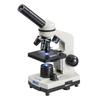
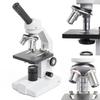
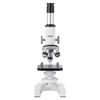
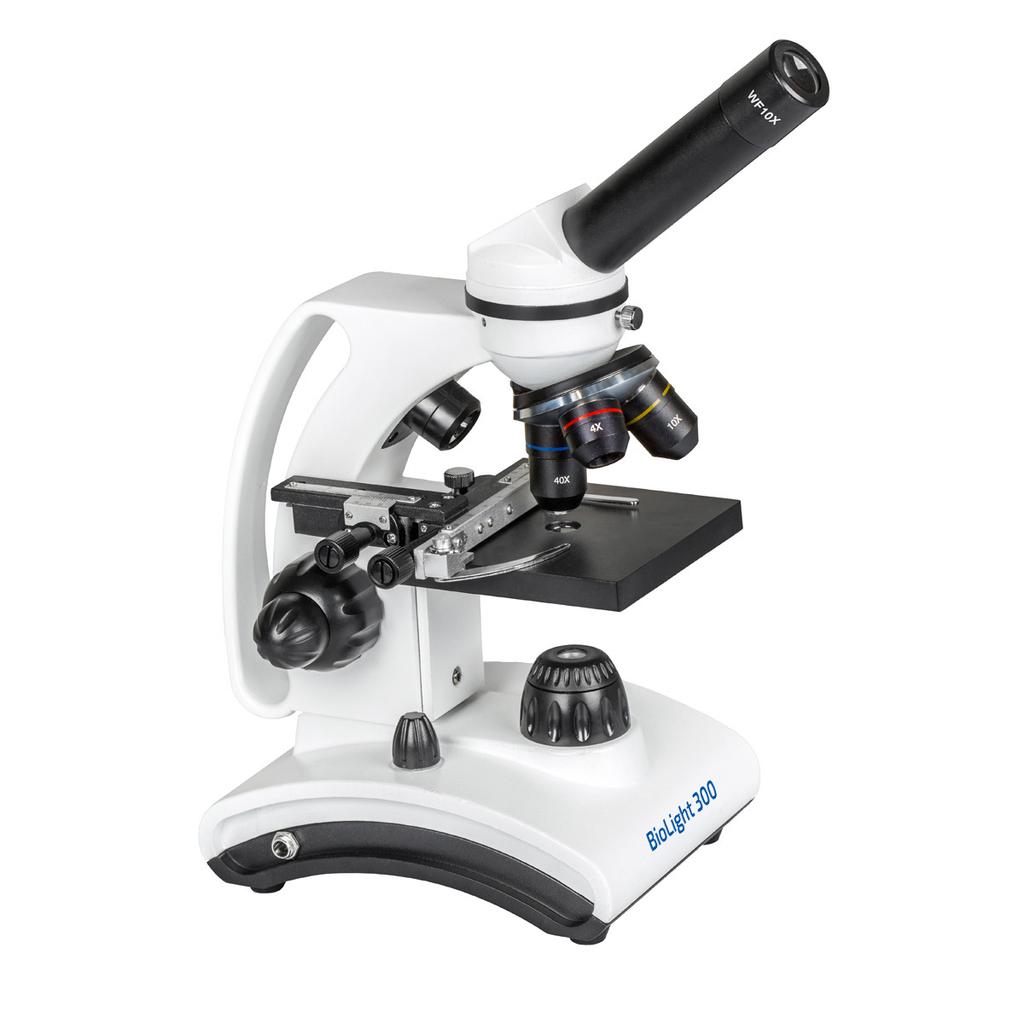
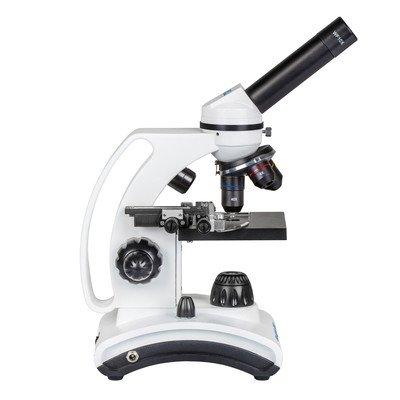
Delta Optical BioLight 300 Microscope
The Delta Optical BioLight 300 microscope is the successor to the BioLight 200 model.
The completely redesigned stand has become even more ergonomic and comfortable to use.
The optical system of the microscope has also been improved, thanks to which the image is clearer and has higher contrast.
This is especially important when using microscope cameras.
• microscope with glass optics, magnification range 40x-400x (with the optional P16x eyepiece up to 640x)
• solid, metal stand, easy to assemble transfer
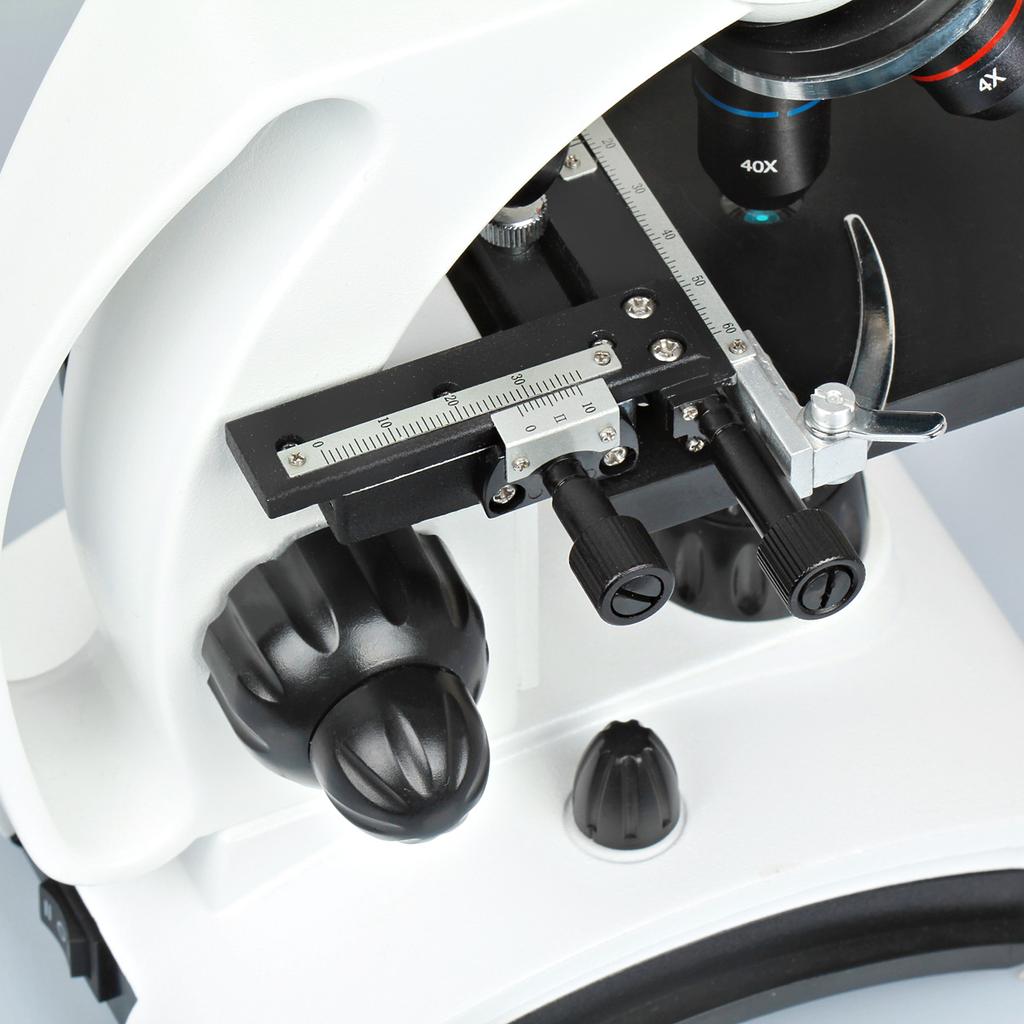
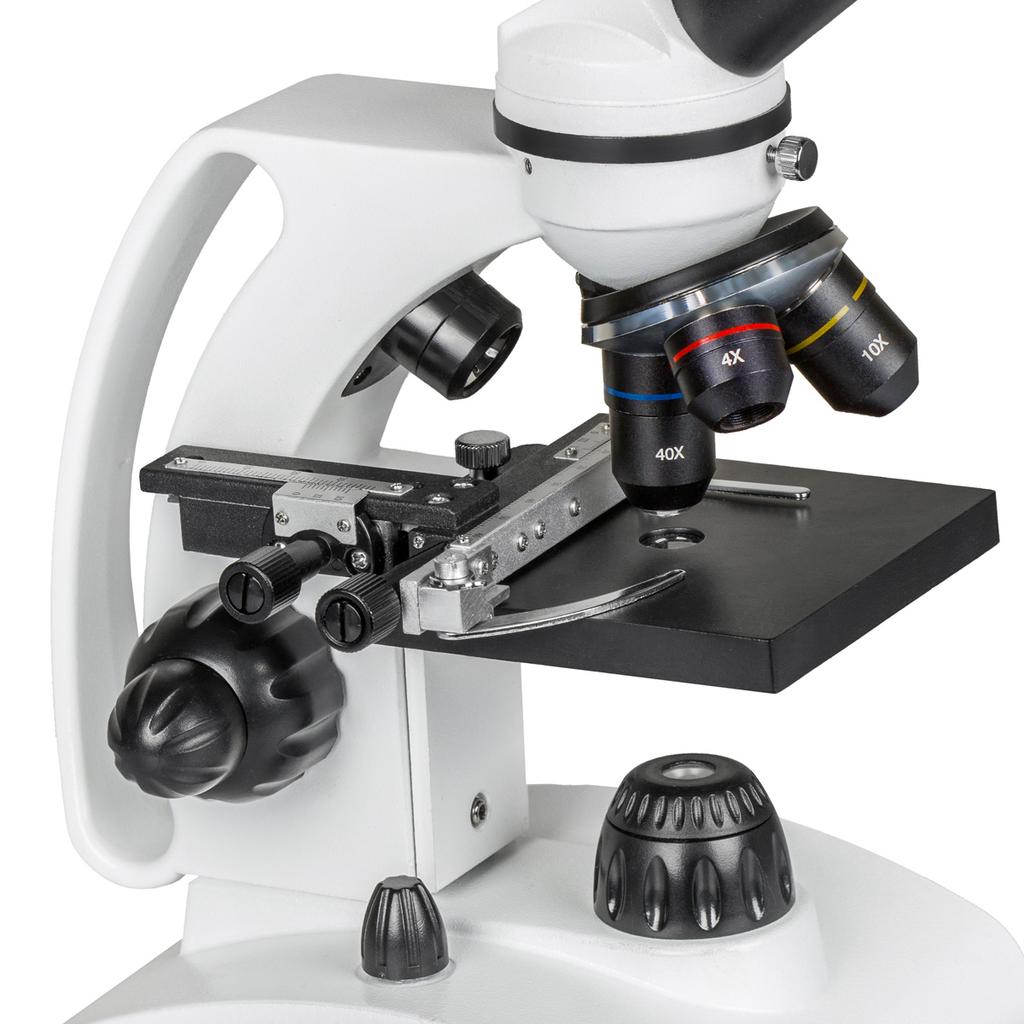
• mechanical stage, with the possibility of precise slide movement, with a scale - this definitely makes it easier for a young user to work with the specimen compared to microscopes with arms that only hold the specimen
• coaxial micro and macro screws
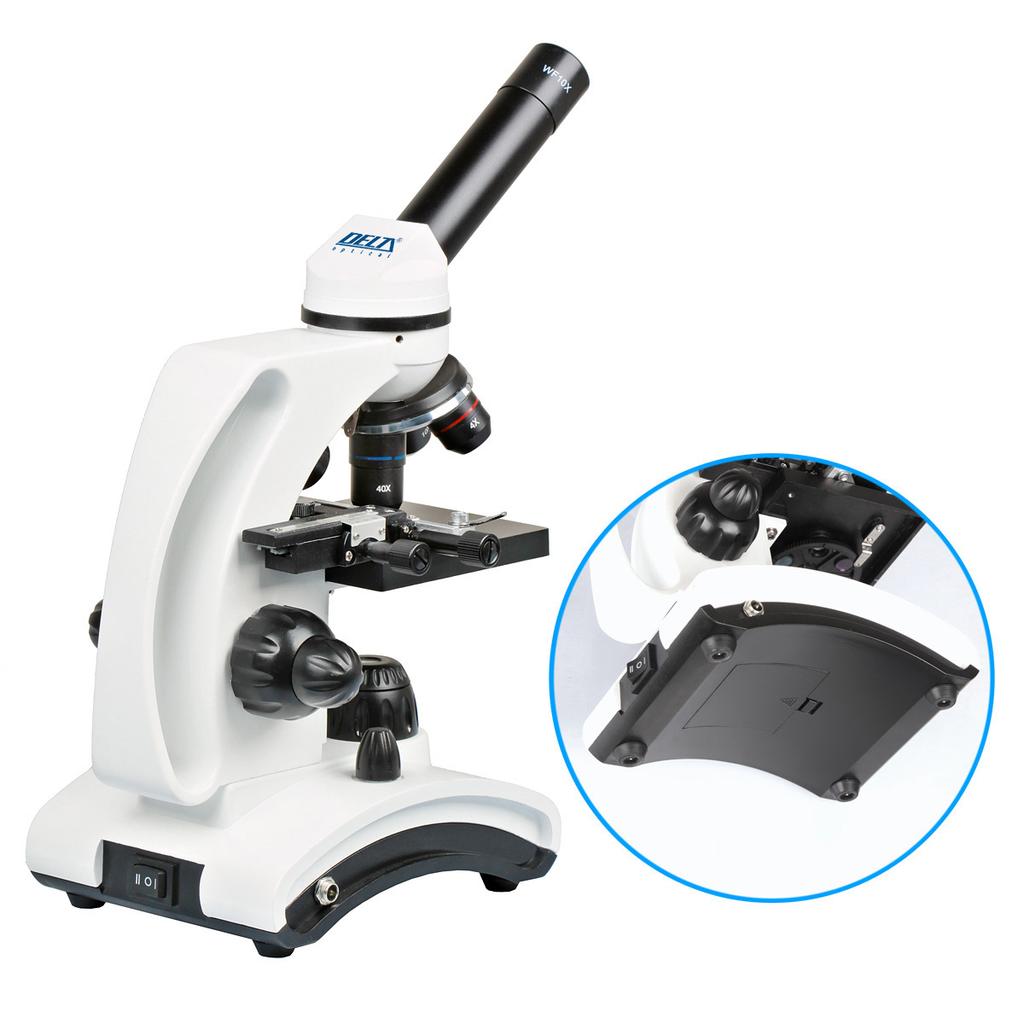
• LED illumination: upper (reflected) and lower (transmitted)
• filter wheel for observing various specimens
• built-in battery power supply (allows the microscope to be used without power from the mains)
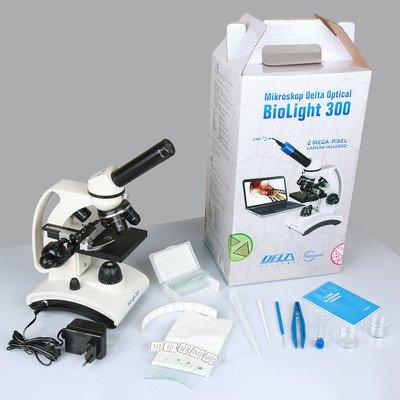
• own set of tools and slides for preparing specimens
Thanks to three achromatic objectives, it allows for magnifications in the 40-400x range, and with the optional P16x eyepiece up to 640x. It has two illumination modes, allowing for observation in transmitted and reflected light.
Thanks to filter wheels located under the stage, observation in different colored light is also possible. This allows for clearer detail in preparations using different staining methods.
Unlike many simple, educational microscopes from competitors, the BioLight 300 stands out with its coaxial micro and macro focusing screws and sample feed mechanism (with marked scale). This allows for very precise adjustments and makes work easier for young microscope users.
An additional advantage of the BioLight 300 microscope is its built-in battery power module, allowing it to be used away from power sources, for example, in the field. Observing specimens found during a trip to the forest, lake, or meadow has never been so easy.
Moreover, using a microscope during lessons now allows you to avoid the hassle of tangled cables.
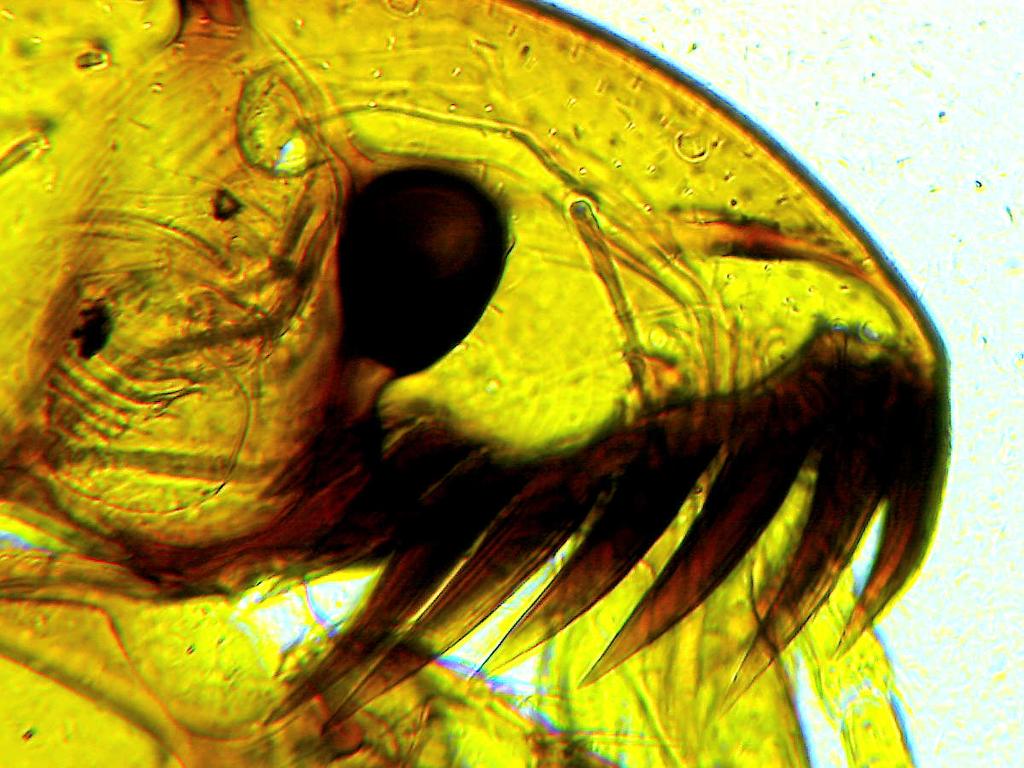
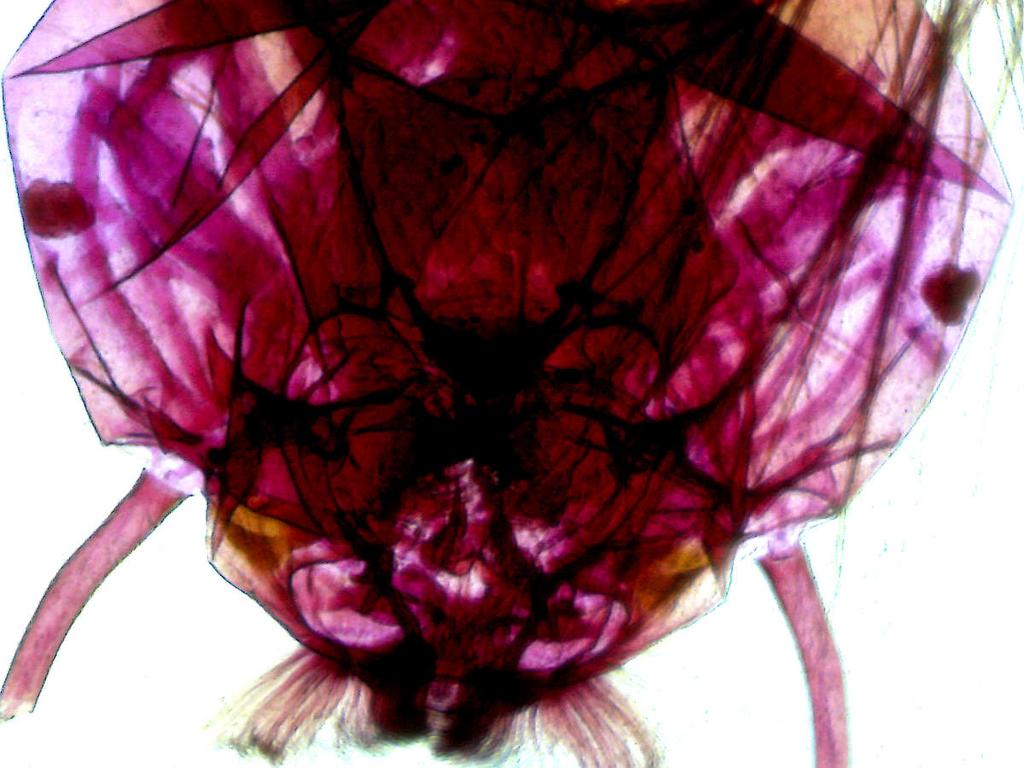
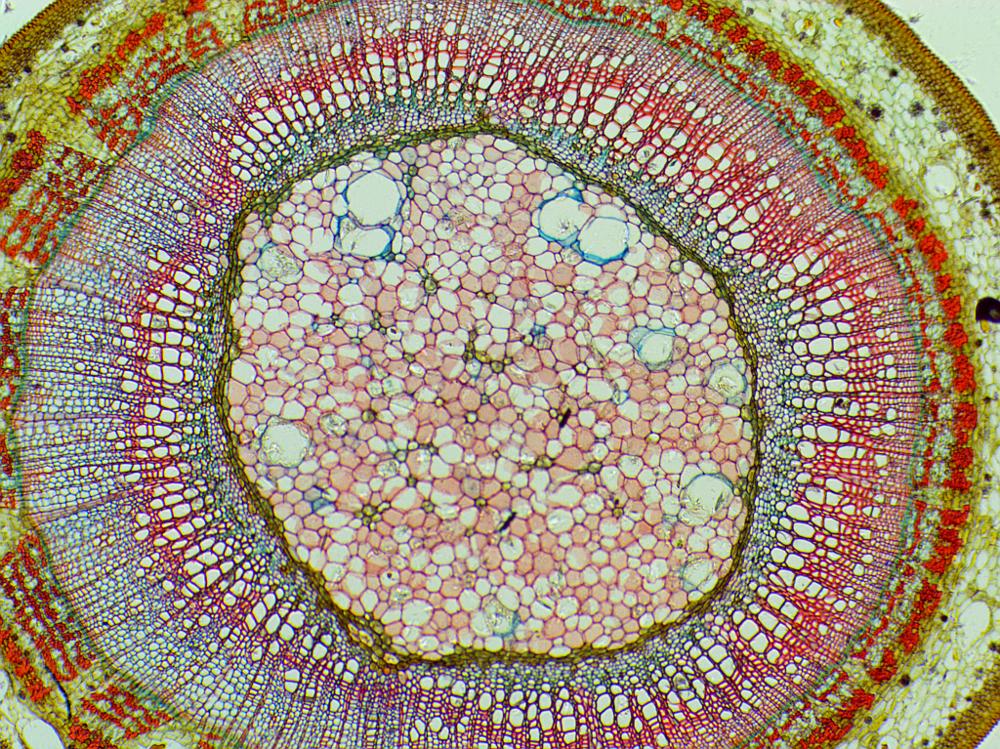
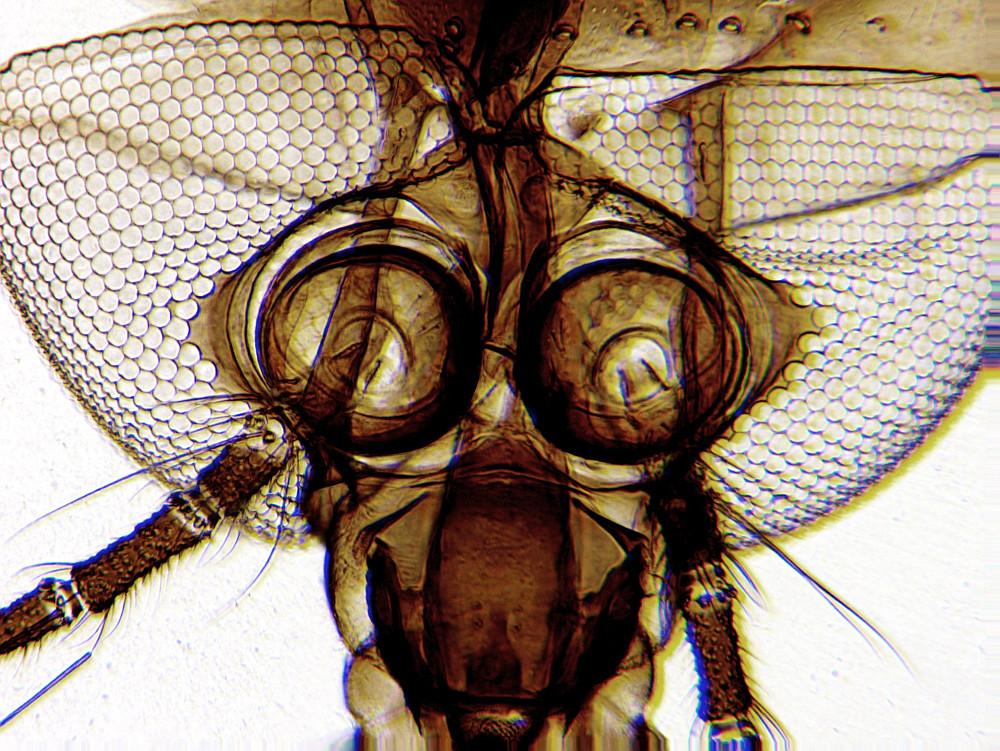
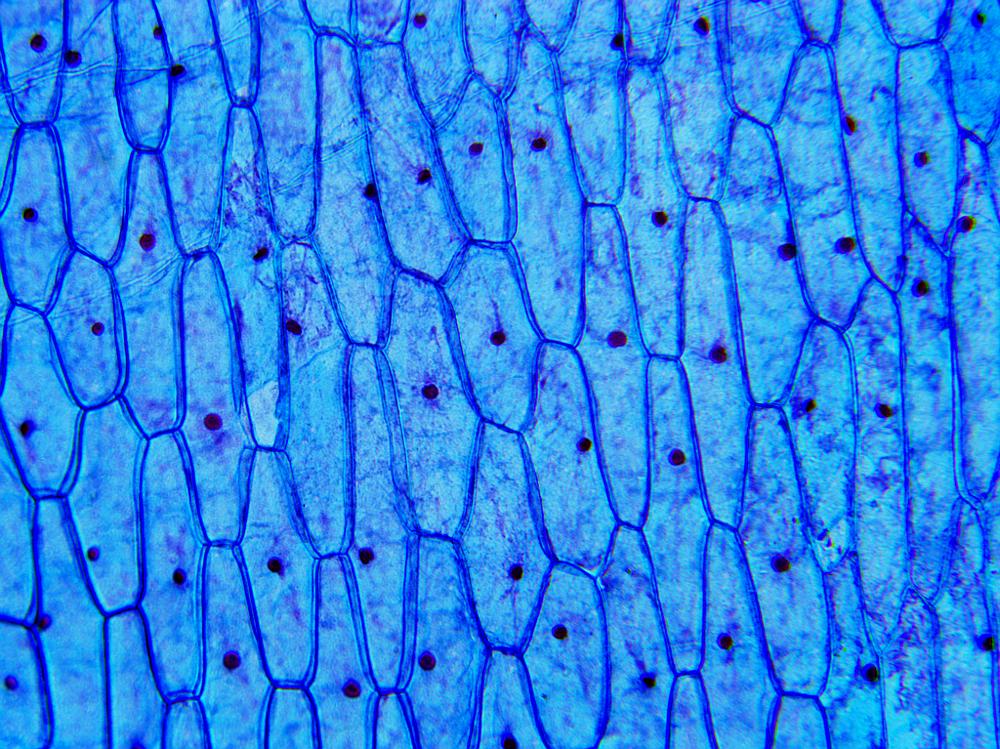
We encourage you to view the gallery of photos taken using the BioLight 300 microscope!
ATTENTION - read the word about magnification and what you can see!
You probably sometimes wonder why the magnification range in our microscopes reaches "only" 640 times, and not 1280 times like our competitors? The answer is simple. We do not equip our microscopes with the so-called A "Barlow lens" doubles the magnification factor.
While this initially seems like an interesting solution, few users realize that its use has serious consequences for the way the microscope image is perceived. The lens used primarily determines the image resolution, and therefore its quality.
A simple lens added to such a setup not only doesn't add any new detail, but also introduces a range of distortions, such as chromatic and spherical aberration. While seemingly gaining magnification, we lose a significant amount of brightness (the image darkens, making observation more difficult) and image quality (degradation of detail).
Another question is the purpose of using such high magnification in an educational microscope. Magnification of around 1280x, at the limit of the optical capabilities of biological microscopes, does indeed allow for the observation of exceptionally small objects, such as bacteria.
However, preparing such preparations is usually beyond the capabilities of home use. This means, for example, the use of special dyes and chemical reagents (as in Gram staining, the most common method in bacterial research).
An image magnified over 1000x is therefore the domain of professional research microscopes, equipped with sufficiently strong lighting and top-of-the-line optics.
At such enormous magnification, trying to see and track objects on a glass slide can also be very troublesome for a child. Even the slightest movement of the handles on the stage can result in losing the observed object.
Unfortunately, the movement of the sliding mechanism in educational microscopes is not as precise as in laboratory equipment.
The set does not include a camera.
• Application: Education
• Lighting source: LED
• Lenses: 4x, 10x, 40x
• Focus adjustment: micro / macro
• Illumination: reflected, transmitted
• Microscope stage: 90x90 mm
• Head: monocular
• Objective revolver: three-objective
• Specimen feed mechanism: with vernier
• Focus adjustment knobs: bilateral, coaxial
• Observation technique: Brightfield
• Optics class: achromatic
• Microscope magnifications: 40 x, 100 x, 400 x
• Eyepiece magnification: 10 x
• Eyepiece field of view: 16 mm
• Microscope power supply: AC, 3xAA
• Ready-made slides (5 pcs.)
• Dissecting needle
• Dissecting stick
• Plastic slide box
• Plastic round container with lid
• Test tube
• Dust cover for the microscope
• Adhesive labels for labeling slides
• Special paper for cleaning optics
• Cover slips (10 pcs.)
• Special slides (5 pcs.)
• AC adapter
Note: for the microscope, it is recommended to use AA batteries. The use of regular batteries is permissible, but only when the microscope is disconnected from the mains. Otherwise, it may damage the device or even cause a fire.






 Товар из Польши


 Возврат по недоставке