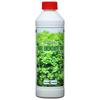
- the best, proper organic carbon
- effects similar to CO2 from a gas cylinder
- visible plant photosynthesis
- fast and lush growth
Can liquid carbon be harmful to plants?
What contains C (carbon) will not always, or rather almost always, be good for plants. Plants simply don't absorb such carbon if it's in the wrong chemical compounds. That's why aldehyde, which is usually suggested as a replacement for CO2 in gas, is so harmful.
(Aldehyde is biocidal; in high concentrations it will kill fish and plants, and if you drink it, you too. Hence so many warnings on liquid carbon bottles)
The solution? Organic carbon. This milestone has just been taken by Neo from Korea.
Organic carbon. What are its properties?
Regularly supplied organic carbon is used by plants for photosynthesis. This carbon is needed for light synthesis as an essential source of energy. The three main fertilizers in plants are potassium nitrophosphate, but organic carbon is necessary for plants to absorb NPK.
And the carbon most efficiently absorbed by plants is organic carbon. About 98% of it is "consumed."
What are the effects?
Visible photosynthesis, lush and strong plant growth. Stronger plant reds. If plants had problems with a deficiency of certain elements, even though you were adding them, this problem will end.
Anti-algae effect:
Because not all elements (e.g., nitrogen) were previously absorbed due to the use of poor-quality carbon, algae often appeared. From now on, because all nutrients will be absorbed by plants, the risk of algae will be reduced to a minimum.
Safe. Not biocidal.
It's completely safe for fish, plants, shrimp, and fry. Even if you accidentally add too much.
If you have algae, there's no point in trying to fight it with this carbon, as is the case with others. This one doesn't work because it's not biocidal like the regular aldehyde that you unfortunately buy.
The bottle holds 300ml
Shake well before use. The product smells a little, but that's normal because it's not artificial.
Usage: 2 caps (1 cap = 5ml) per 40 liters of aquarium water. Add when you see weaker growth or you can use it regularly, e.g., once a week.


 Товар из Польши


 Возврат по недоставке