Rubber Coating Spray Rubber Colorless Gloss
Colorless plastic varnish (liquid rubber) Sprayplast Motip is an ideal product for use in places that require permanent or temporary protection. Liquid rubber creates a very flexible coating that protects against chipping, scratching, dirt and moisture.
It is resistant to diluted acids, greases and oils.
It is characterized by very good adhesion, but if necessary it can be easily remove or repair the damaged surface by applying a new layer of rubber.
• The product is resistant to acids, fats, oils and standard cleaning agents
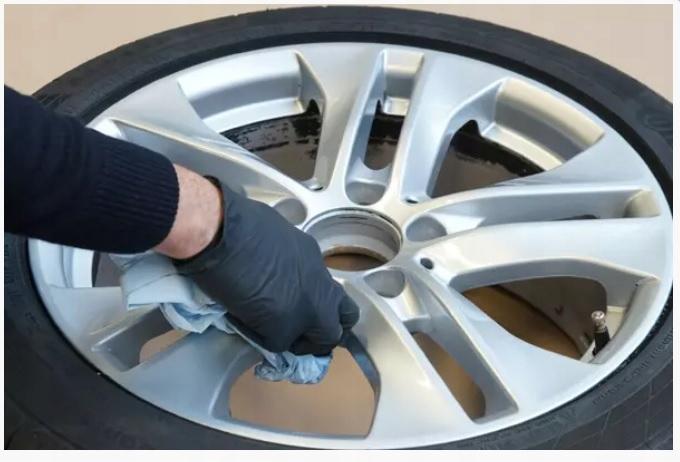
• Thoroughly clean and degrease the element to be coated.
• Use masking paper and tape to protect the surface that will not be covered with rubber.
• Make sure the ambient temperature is between 10°C and 25°C.
• Apply at least five thin coats of the product, changing the spray direction each time.
• Remember to wait five minutes between each coat. The appropriate coating thickness will make it easier to remove the rubber in the future.
• Remove the masking materials immediately after applying the last layer. After approximately 2 hours, the rubber will be completely dry.
Protect your body parts and enjoy their pristine appearance for a long time. Thanks to its properties, the product is also used in decorative and hobby works and wherever additional protection is required.
To remove the product, it is not necessary to use any chemicals, just tear off the coating!
ATTENTION! Important Information!
1. Durability and Resistance Issues
Liquid rubber creates a flexible coating that is susceptible to abrasion, mechanical damage, chemicals and weathering.
3. Removal Issues
4. Limited Weather Resistance
Prolonged exposure to sun, rain, or road salt can cause the coating to crack, peel, or fade, requiring frequent touch-ups.
5. Unprofessional Finish
Areas where liquid rubber should not be used
1. Surfaces exposed to high temperatures
• Engine and its covers – high temperatures cause the rubber to melt and peel.
• Exhaust system (muffler, manifolds, exhaust tips) – the coating may burn, melt, and emit an unpleasant odor.
2. Elements subject to intense mechanical use
• Door handles and pulls – frequent touching causes abrasion and peeling of the coating.
• Sills and side moldings – exposed to impacts and sand, which shortens the durability of the coating.
3. Moving and flexible parts
• Door and window seals – rubber may stick to the seals and hinder their operation.
• Joints and hinges – may limit mobility and cause seizure.
4. Windows and headlights
• Windshield and side windows – limits visibility and impedes the operation of the wipers.
• Headlights and taillights – reduces light transmission, which may be illegal.
Liquid rubber can be a great solution for temporarily changing the appearance of rims, emblems or the car interior, but it will not work on surfaces exposed to high temperatures, intensive use or requiring a professional appearance.
We also recommend consulting a professional before applying the product to ensure safety before and after use.



 Товар из Польши


 Возврат по недоставке