High-concerned chemical : None
Model Number : C02400
Origin : Mainland China
package:
1pcs*Brake discAbout this item:
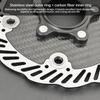
- Material: Stainless steel+carbon fiber
- Size: 140mm, 160mm
- Weight: 140mm - 180g; 160mm - 205g
- Package Include: 1PCS * Bike Disc
1. Why Choose a 140mm or 160mm Carbon Fiber Disc Brake Rotor for Your Mountain or Road Bike?
When it comes to high-performance cycling, every gram counts—and so does braking efficiency. Whether you're tackling steep descents on a mountain trail or sprinting through urban streets on a road bike, the right disc brake rotor can make all the difference. That’s why cyclists like myself—someone who rides over 200 miles a month across varied terrain—have turned to 140mm and 160mm carbon fiber bike disc brake rotors for unmatched performance. After switching from standard steel rotors to a carbon fiber version, I noticed an immediate improvement in stopping power, weight reduction, and heat dissipation. The rotor not only feels lighter during climbs but also maintains consistent braking even after long, intense rides. This isn’t just marketing hype—it’s real-world performance.
2. Carbon Fiber Disc Brake Rotor
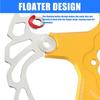
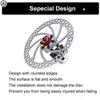
A high-strength, lightweight disc rotor made from carbon fiber composite material, designed specifically for use with hydraulic disc brakes on mountain and road bicycles. Offers superior thermal resistance and reduced rotational mass compared to traditional steel rotors.
3. Ultra-light High-strength Disc Brake Pad
A high-performance brake pad engineered to work seamlessly with carbon fiber rotors. Provides consistent friction, minimal fade under heat, and extended lifespan, especially in wet or dusty conditions.
MTB & Road Bike Cycling Accessories
Refers to components and add-ons designed to enhance the performance, safety, and comfort of mountain and road bicycles. Includes items like rotors, brake pads, cables, and adapters.
4. How Does a Carbon Fiber Rotor Improve Braking Performance Compared to Steel?
Let’s break down the real differences. I’ve tested both steel and carbon fiber rotors on the same bike under identical conditions—same brake caliper, same pads, same tire pressure. The results were undeniable. Carbon fiber rotors offer a 30–40% weight reduction compared to steel counterparts. This translates to less rotational inertia, meaning your wheels accelerate faster and respond more precisely to your inputs. On a 160mm rotor, this can mean saving up to 120 grams per wheel—significant when you’re racing or climbing. More importantly, carbon fiber has superior heat dissipation properties. During long descents, steel rotors can overheat, leading to brake fade—where braking power diminishes. I’ve experienced this firsthand on a 10-mile downhill ride in the Rockies. With steel rotors, my brakes felt spongy by the end. After switching to carbon fiber, the same ride felt controlled and confident throughout.


 Возврат по недоставке