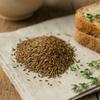
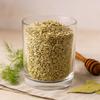
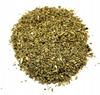
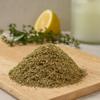
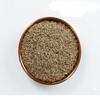
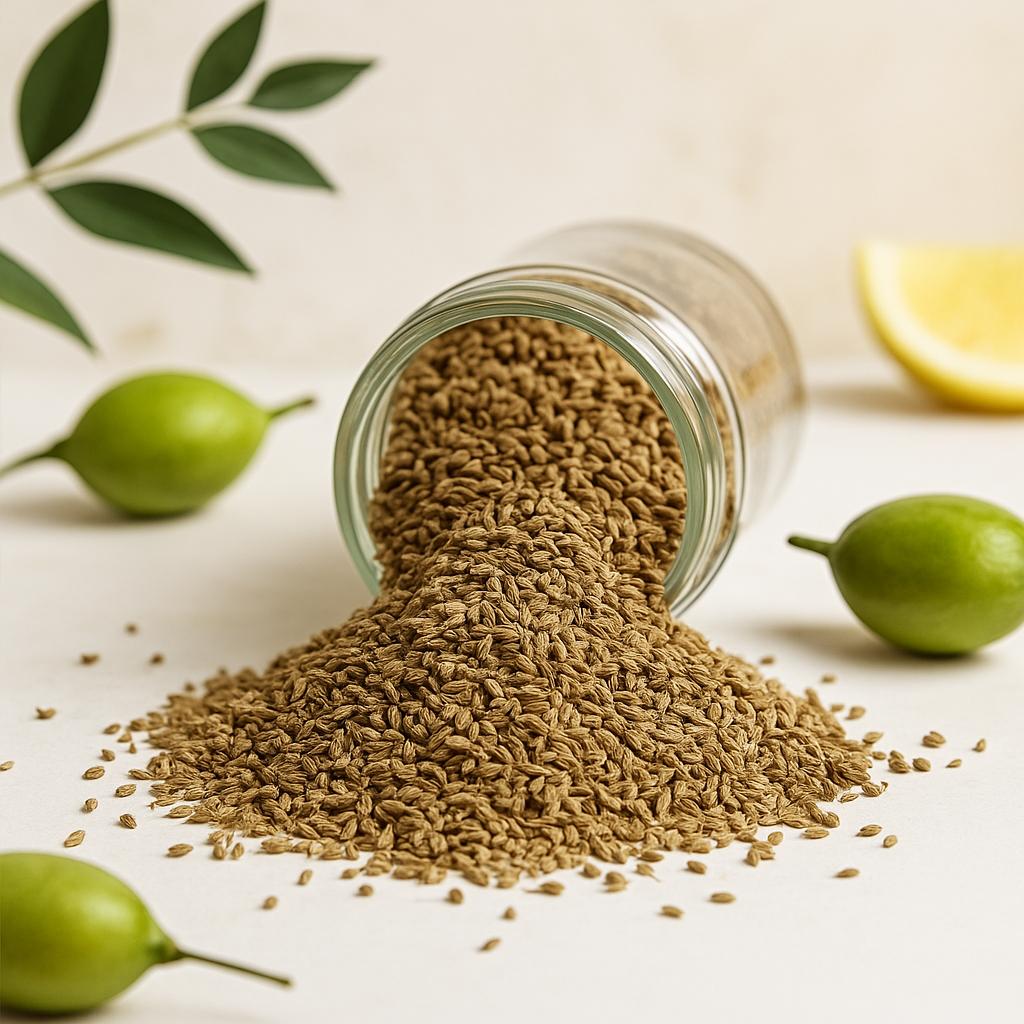
Anise has been a kitchen staple and herbal pantry essential across the Mediterranean for centuries. These whole Spanish seeds carry the warm, sweet liquorice character the spice is known for, rounded and gently spiced, sweeter than fennel and softer than star anise, with a clean finish that lingers without sharpness. A kilogram is a generous working quantity, suited to someone who bakes regularly, blends their own teas, or likes to keep a well-stocked spice shelf.
Botanical profile
Anise, Pimpinella anisum, is a flowering annual in the carrot family, native to the eastern Mediterranean and cultivated across southern Europe for millennia. The part used here is the dried fruit, commonly called the seed, which contains the volatile oil anethole responsible for the spice's distinctive sweet-liquorice aroma. Spain is one of the oldest and most respected growing regions for anise, its warm, dry climate producing seeds with a well-developed oil content and a clean, consistent flavour.
Culinary and infusion use
Anise seed has a long culinary heritage across Spanish, Italian, Greek, and Middle Eastern cooking. It appears in breads and biscuits, Spanish pan de anís, Italian anisette biscuits, Greek tsoureki, as well as in spiced liqueurs, mulled drinks, and slow-cooked meat dishes where it adds depth without heat. As a tisane, the whole seeds are steeped in just-boiled water for a few minutes; bruising them lightly before steeping releases more of the volatile oil and deepens the flavour. The seeds also work well in spice blends, pickling brines, and alongside citrus in baked goods.
Quality and quantity
These are whole, unground seeds, the form that retains aroma longest, since the volatile oils are preserved inside the intact seed coat until the moment of use. Grinding or crushing just before use gives the fullest flavour. At one kilogram, this is a bulk quantity suited to regular cooking, home blending, or sharing between a household that uses anise across m…


 Товар из Великобритании


 Возврат по недоставке