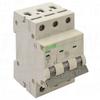
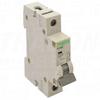
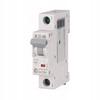
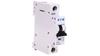
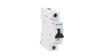
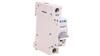
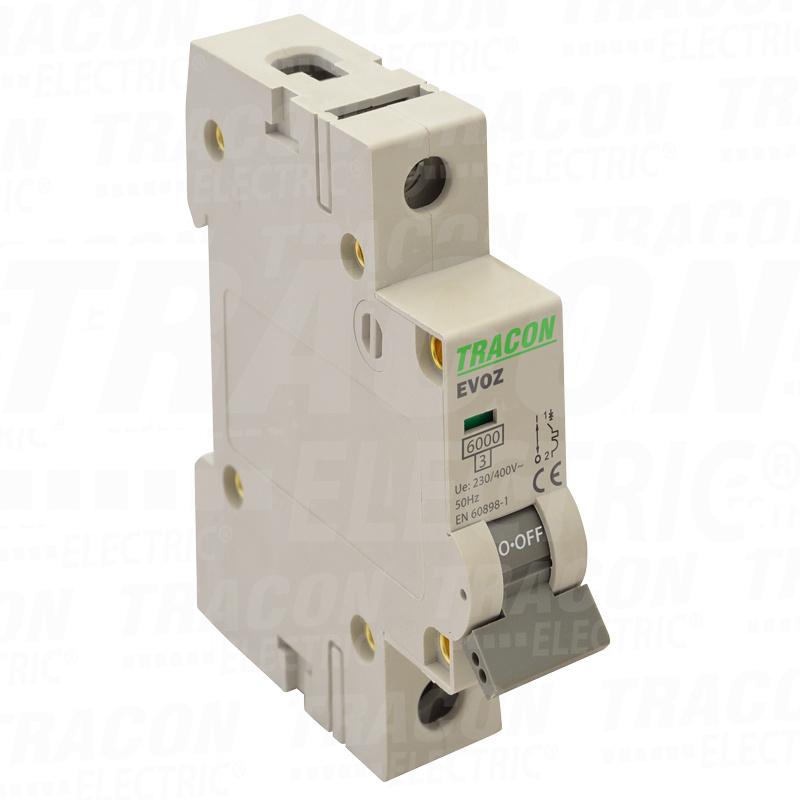
C Circuit Breaker 10A 1P TRACON
A circuit breaker with a C characteristic is a protective device used in electrical installations that detects and trips circuits in the event of overloads or short circuits. The C characteristic means that the circuit breaker is capable of detecting and tripping circuits with overload currents 5 to 10 times greater than the nominal rated current. The C characteristic of a circuit breaker is defined by safety standards and regulations, such as the PN-EN 60898-1 standard.
The C-characteristic circuit breaker is commonly used in installations with high-start loads, such as electric motors, transformers, capacitors, or loads with large, fixed capacitance. Circuit breakers with the C-characteristic are also frequently used in residential and commercial installations, where loads with varying starting values are typically encountered.
EVOZ1C10 10
Technical data:
Tripping characteristic: C
Number of poles (total): 1
Number of poles: 1
Rated current: 10 A
Rated voltage: 230 V
Rated insulation voltage Ui: 500 V
Rated impulse withstand voltage Uimp: 4 kV
Rated short-circuit breaking capacity Icn according to EN 60898 at 230 V: 6 kA
Voltage type: AC
Rated short-circuit breaking capacity Icn according to EN 60898 at 400 V: 6 kA
Frequency range: 50 - 60 Hz
Flush mounting: Yes
N pole simultaneously disconnected: No
Possibility of additional equipment: Yes
Width expressed in number of modules: 1
Ingress Protection (IP): IP20
Ambient temperature during operation: - 25 - 55 °C
Connectable solid wire cross-section: 1 - 25 mm²


 Товар из Польши


 Возврат по недоставке