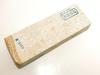
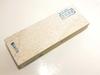
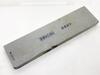
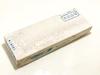
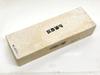
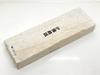
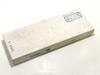
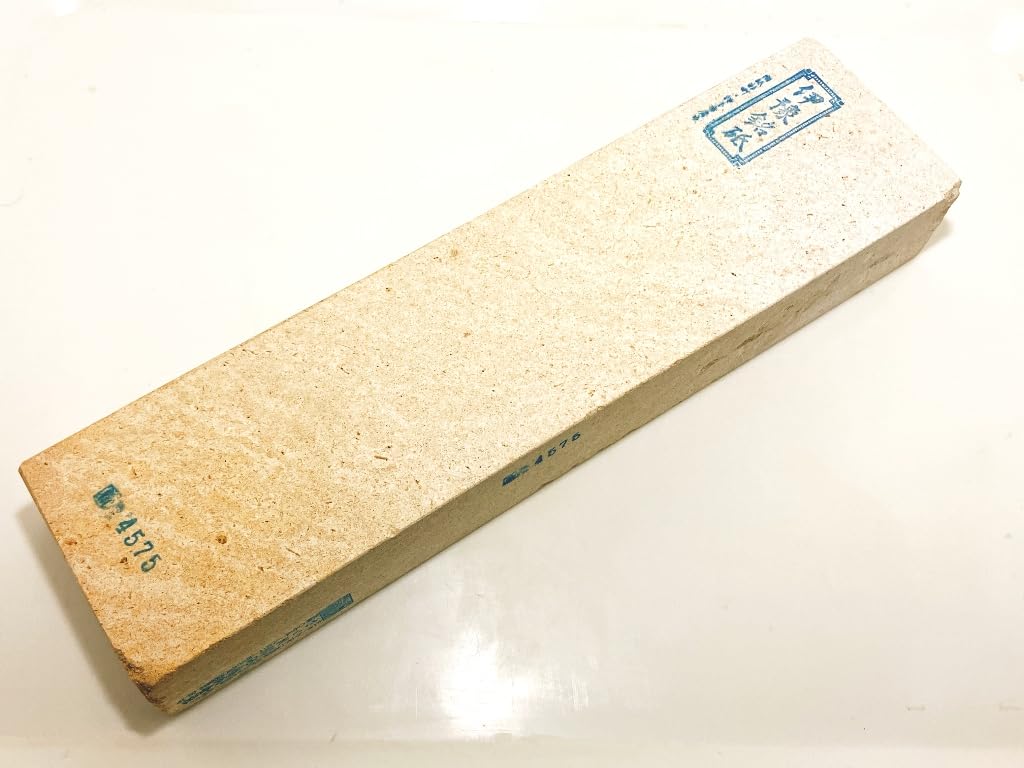
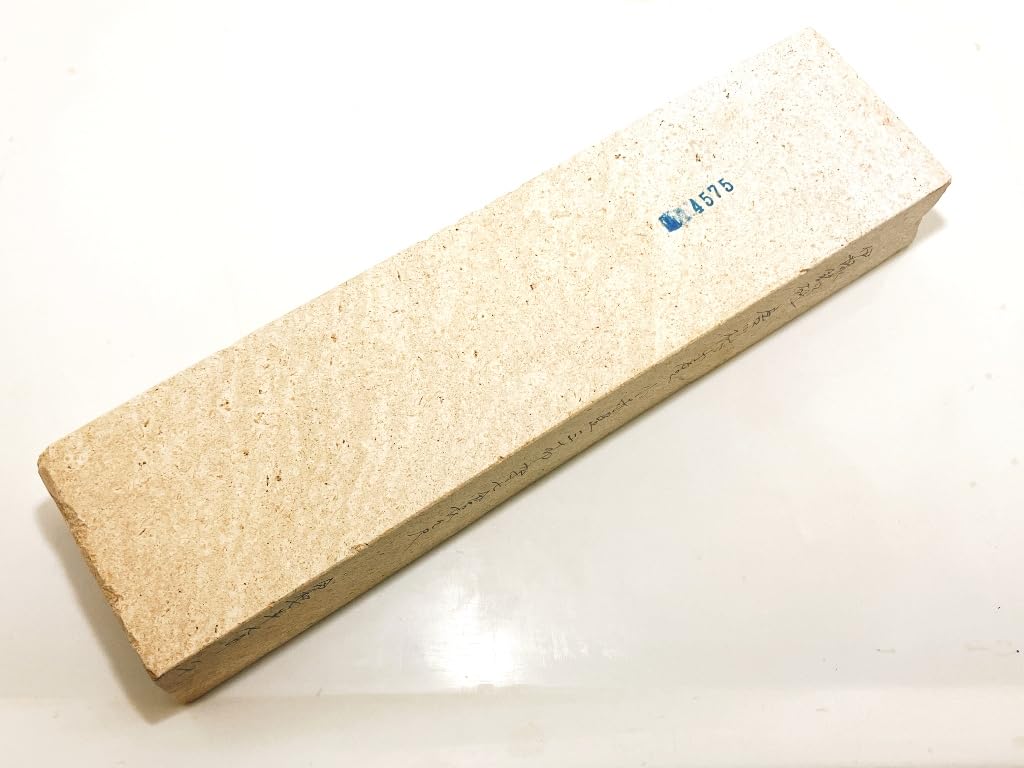
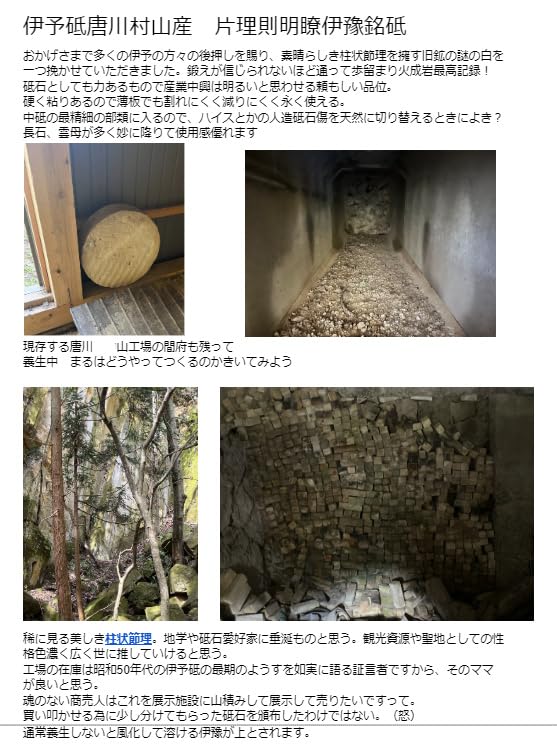
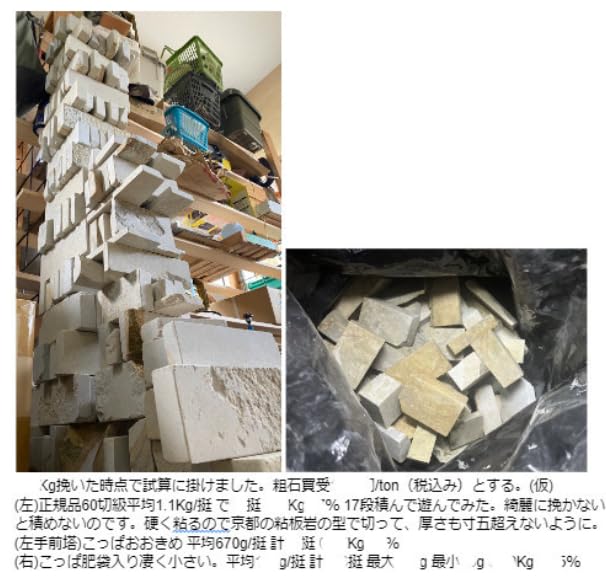
75 x 292 x 40 мм, 2,132 г. Твердый, липкий, среднезернистый средний точильный камень.
Этот камень был добыт вручную и расколот вручную, с тщательным учетом направления волокон и аккуратно выкован в плоскую поверхность.. Также используются быстрорежущая сталь и другие материалы, что делает это идеальным решением для изменения формы поперечного сечения рифления.
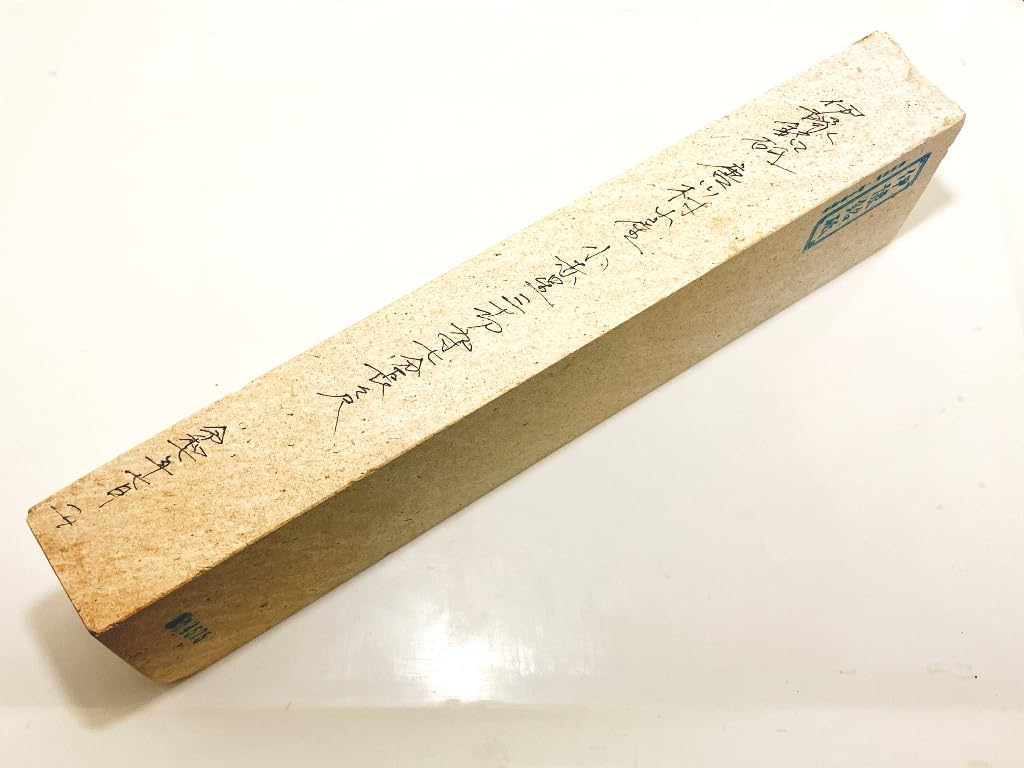
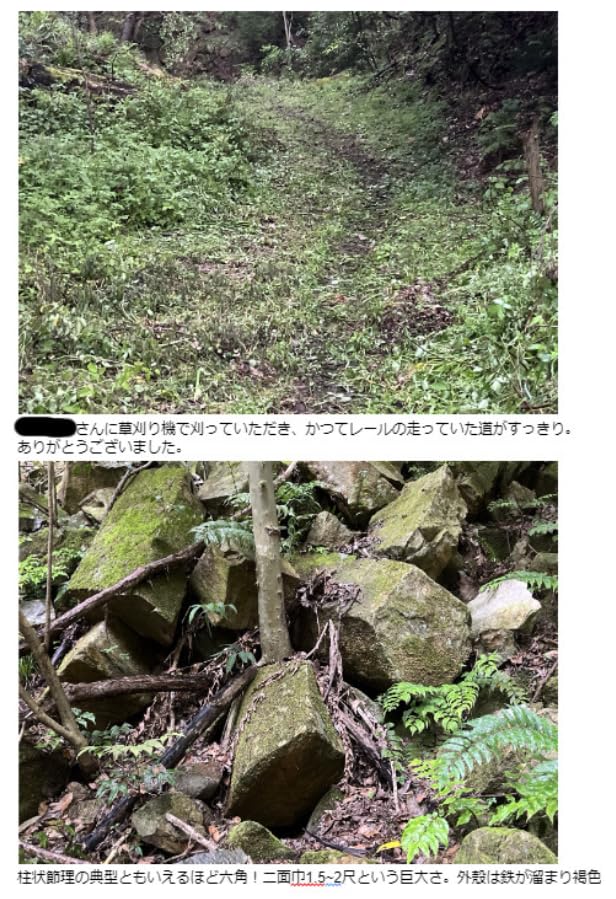
Добыча осуществляется с помощью тяжелой техники, а резка — с помощью алмазных пил-камнерезов.. Относительно точильных камней с названием «Iyo Meito», это подделки с несанкционированным брендингом, и мы не имеем к ним никакого отношения.. С примерно 2007 года только наша компания производит точильные камни под названием «Iyo Meito».. По этой причине название пишется от руки, за исключением мелких деталей.. Мы не можем отвечать на запросы о продукции «Iyo Meito», которая не была обработана или изготовлена нашей компанией.
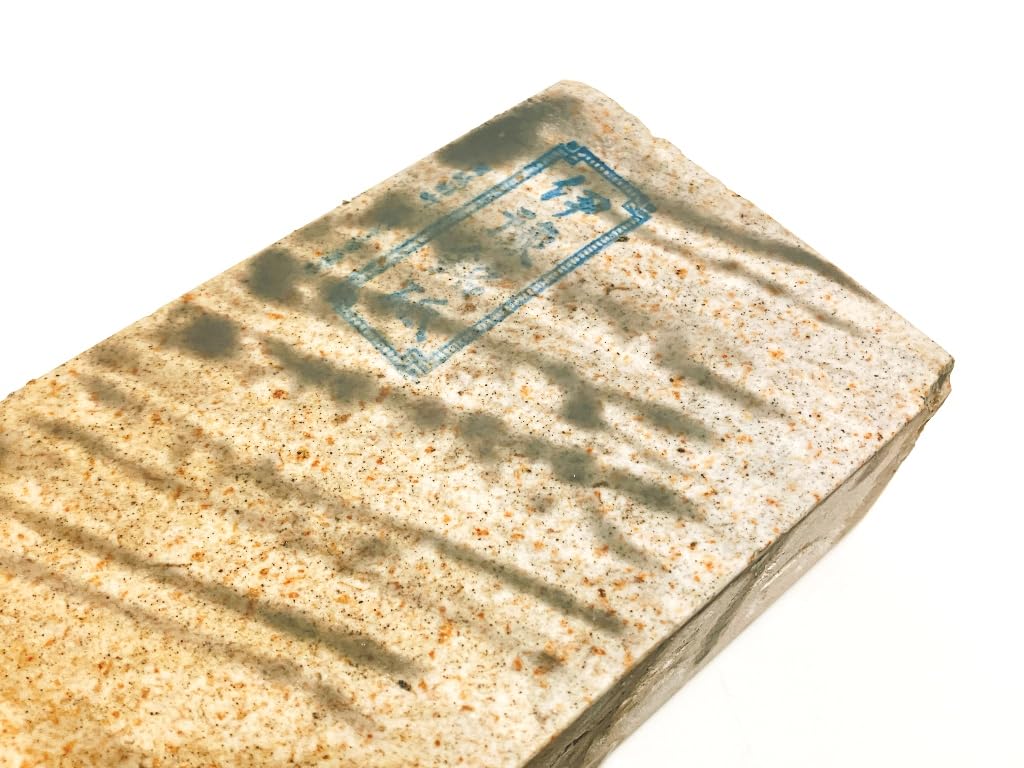
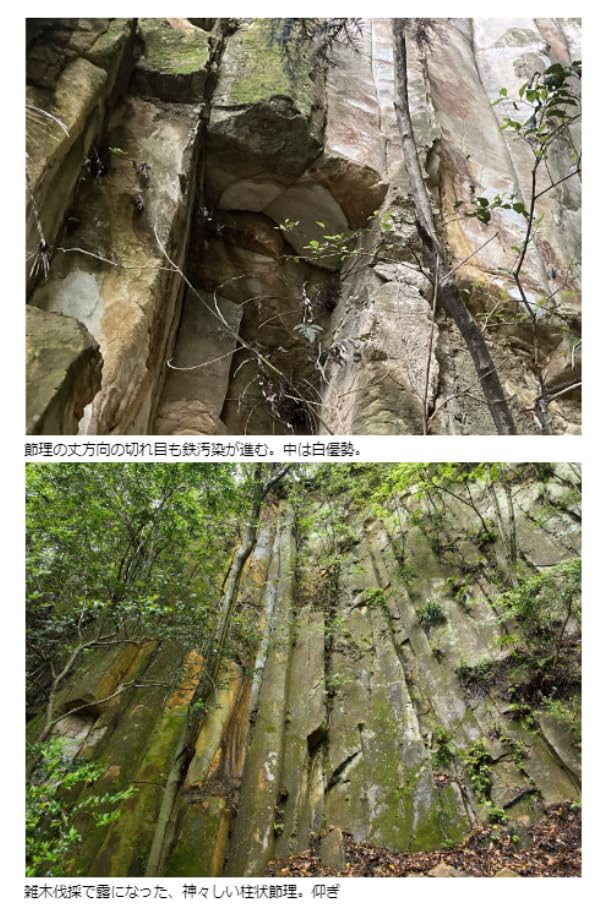
Грубометаморфизованный риолит и андезит из города Иё, префектура Эхимэ, Япония. #1 000-5 000 грит. Более твердые камни обычно дают более мелкий помол. Отличное соотношение твердости и вязкости. Нейтральный pH и устойчивость к ржавчине, в отличие от других точильных камней Иё. Производительность шлифования можно легко восстановить, используя алмазный брусок #400 или ниже.. Рекомендуется вместо стандартного камня-нагуры. Благодаря округлому дну и непрерывным канавкам, он сохраняет свою остроту примерно на 70% своего срока службы, а благодаря соотношению зернистости искусственного точильного камня, менее вероятно получение тусклого, зеркального финиша, что облегчает выявление контрастов, обусловленных линиями сварки, свойствами материала и различиями в содержании углерода.
Чем темнее камень, тем тверже и мельче он обычно бывает. Поскольку твердость снижает остроту, заточку следует производить с применением нагуры. (тип камня, используемый для заточки) по мере необходимости, в зависимости от цели и уровня навыков.
Считается, что натуральные точильные камни из провинции Иё циркулировали в регионе Внутреннего Японского моря Сэто с периода Кофун, и они славятся как старейшая и крупнейшая в мире индустрия точильных камней на основе изверженных пород, с историей, насчитывающей более 1500 лет.
Ресурсы нашей страны для заточных камней обладали такой огромной силой, что могли полностью преобразить страну и ее народ.
Недостаток железной руды, низкий выход их уникальной металлургии на основе железного песка и расположение на отдаленном острове на Дальнем Востоке означали, что они последними достигли железного века, создав условия, столь же фатальные, как потеря всех четырех конечностей, для основания цивилизации железного века.
Учитывая нашу историю и традиции, очевидно, что лучшие точильные камни нашей страны — это расходные материалы, которые позволяют нам обрабатывать изделия из железа, делая их более твердыми и прочными, по мере необходимости.
До XIX века производительность натуральных точильных камней доминировала в развитии железных инструментов.
Несмотря на неподходящее для строительства расположение, он может похвастаться одной из старейших и крупнейших деревянных конструкций в мире.
Японский меч, свидетельство непревзойденного мастерства в обработке железа, был объектом непоколебимой преданности самурая каждому его взмаху, наследие, просуществовавшее 700 лет.
Несмотря на то, что это было позднее развитие в отдаленном регионе, оно достигло ведущих в мире изобретений в области изделий из железа в Средние века и сегодня известно как страна-производитель.
Железный век, длившийся с доисторических времен до середины эпохи Хэйсэй, был временем, когда способность владеть железом была тем самым средством, которое способствовало не только производству, но и развитию культуры и государств.
Эти незаменимые, бесценные и уникально аутентичные ресурсы точильных камней преодолели многочисленные невзгоды, в том числе те, с которыми столкнулось железо.
Если бы мы оценивали различные ресурсы Японии по ценностям досовременной эпохи, когда нефть и атомная энергия считались бесполезными, то можно было бы сказать, что Япония — страна, богатая ресурсами.
Сила, обретенная только в процессе преодоления нужды и трудностей, придает глубину, душу и дух истории и традиции.


 Товар из Японии


 Возврат по недоставке