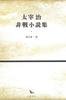
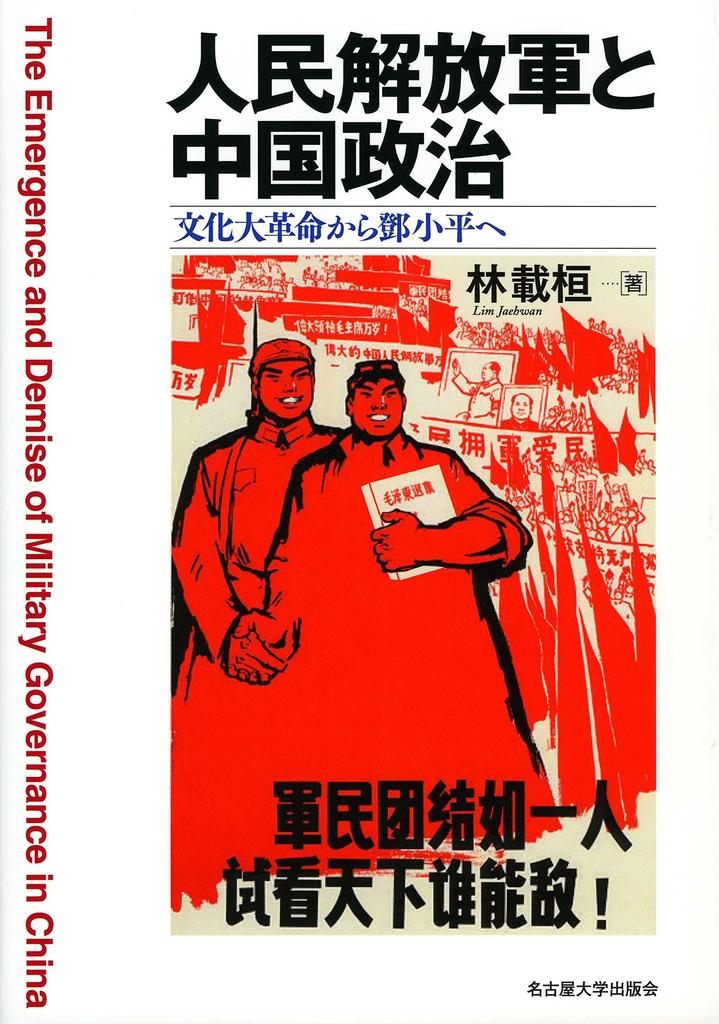
Как НОАК вмешалась в Культурную революцию, и какое влияние это оказало на последующую китайскую политику? Основываясь на обширном исследовании новых источников и институциональной теории авторитарного правления, это новаторское эссе от автора, находящегося на переднем крае исследований, переосмысливает наше понимание роли Мао Цзэдуна, инцидента с Линь Бяо и китайско-вьетнамской войны, раскрывая скрытый путь крупного сдвига к реформам и открытости.
Награды:
・27-й (2015) Специальная премия Азиатско-Тихоокеанского региона
・36-й (2015) Премия за поощрение исследований в развивающихся странах
[Книжная премия] [Отзывы]
- Международная политика (Выпуск 191, Март 2018, Рецензент: Рё Асано)
- Современная история Восточной Азии (Выпуск 20, Июнь 2016, Рецензент: Джун Джулиан Нохара)
- Ежемесячник по изучению Китая (Том. 70, Выпуск 4, Апрель 2016, Рецензент: Томоаки Анан)
- Азиатская экономика (Том. 56, Выпуск 4, Декабрь 2015, Рецензент: Норихико Ямада)
- Азия Таймс (ноябрь 2015 г.)
- Майнити Симбун (11 ноября 2015 г.)
- Мировые тренды Ajiken (Выпуск 240, октябрь 2015 г., Лекция лауреата)
- Нихон Кэйдзай Симбун (25 января 2015 г., Рецензент: Рёсэй Кокубу)
[Оглавление]
Вступление: Что такое Культурная революция?
К новому пониманию
1. Культурная революция и Народно-освободительная армия: От вмешательства к управлению
2. Тайна управления ПЛА
3. К новому общему видению поворотного момента в китайской политике
Глава 1: Институциональная теория диктатуры
Мао Цзэдун, Народно-освободительная армия и Культурная революция
1. Институциональная теория диктатуры
2. Мао Цзэдун, Народно-освободительная армия и Культурная революция
3. Развитие военного правления во время Культурной революции
Глава 2: Становление военного режима
— Логика и Суть
1. Реконструкция партийной организации и армии
2. Внешние кризисы и давление системы военного времени
3. Структура военного правления: Распределение лидерства
Резюме
Глава 3: Военное положение и Линь Бяо, Инцидент Линь Бяо
1. Власть Линь Бяо и расширение военного вмешательства
2. Формирование военного правления и инцидент Линь Бяо
Резюме
Глава 4. Преемственность военного правления
— Дилемма Мао Цзэдуна
1. Вред военного правления — Осознание проблемы
2. Ранняя военная реформа
3. Демонтаж местной властной структуры
Резюме
Глава 5. К концу военного правления
— Дэн Сяопин и военная реформа
1. Что такое Реформация?— Возможности и ограничения
2. Решение о реформе армии — Намерения Мао Цзэдуна
3. Проведение военной реформы — Намерения Дэн Сяопина
4. Результаты военной реформы
Резюме
Глава 6. Конец военного правления
— От революции к войне
1. Возвращение Дэн Сяопина и возобновление военной реформы
2. Расширение военной реформы — Восстановление и реконструкция институтов
3. Военная реорганизация и китайско-вьетнамская война
Резюме
Последняя Глава: Прогресс на пути к реформам и открытости
1. Становление, Преемственность и Исчезновение Военного Правления — Мао Цзэдун и Народно-освободительная армия
2. Культурная революция, отношения между военными и гражданскими лицами и современная политика Китая — Выводы этой книги
Приложение / Список литературы / Послесловие / Список рисунков и таблиц / Предметный указатель

 Товар из Японии


 Возврат по недоставке