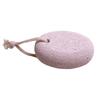
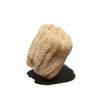
Warm water softens the skin, then the volcanic foot stone does the quiet work. Its rough, naturally pitted surface glides over heels and soles in slow circles, helping buff away dry surface skin without turning the moment into a chore.
What the stone brings to a foot-care ritual
The surface is full of tiny natural holes, giving it a coarse texture for gentle, steady exfoliation.
Its irregular brown form feels earthy and simple, more like a found object than a plastic bathroom tool.
The cotton string makes it easy to hang up after use, so the stone can dry between rituals.
It suits heels, soles, hands and areas of dry surface skin on the body, used with care and light pressure.
Each pass is slow and tactile, turning foot care into a small pause at the end of a shower or bath.
Volcanic stone with a naturally pitted texture
This foot stone is made from volcanic stone, with a cotton string attached. The photo shows a porous, uneven surface in warm brown tones, with small and larger cavities across the stone.
That texture is the point. Volcanic rock can form with trapped gas pockets as it cools, creating a naturally abrasive surface that works well for cosmetic buffing.
How to use it on feet and dry skin
Use on damp, softened skin after a bath, shower or foot soak. Wet the stone too, then move it gently over rough areas in small circles.
Keep the pressure light and gradual, especially on heels and soles. Rinse the stone after use, squeeze excess water from the cotton string, and hang it somewhere airy to dry.
Avoid using it on broken, irritated or freshly shaved skin. Let the stone dry fully between uses.
A simple volcanic-rock tradition
Porous volcanic stones have long been used as practical body-care tools because their texture comes from the rock itself, not from an added coating. This one keeps that idea beautifully simple: mineral surface, water, a little time, and the repeated movement of the hand. It belongs beside the bath or shower, read…
region of manufacture: China


 Товар из Великобритании


 Возврат по недоставке