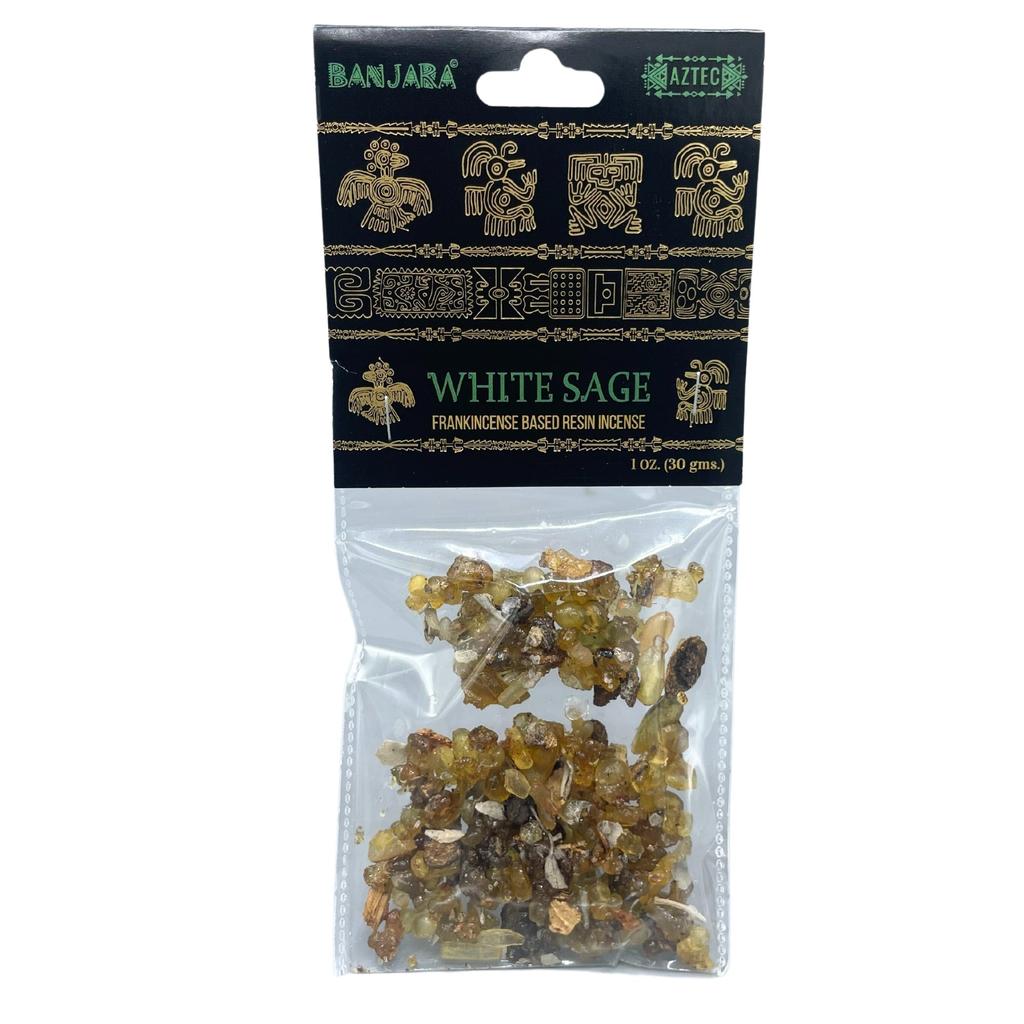
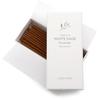
Let the charcoal glow, add a small pinch, and watch the resin soften into fragrant smoke. This white sage resin incense is made for the slower kind of evening, when the act of preparing the scent matters as much as the scent itself. Herbal, smoky and atmospheric, it brings an old form of incense into a modern quiet corner.
What the resin brings to the room
The scent opens with a smoky herbal character, fuller and more immediate than a stick incense.
Each piece changes on the coal, moving from solid resin to glossy heat, then into curling smoke.
The loose format lets you choose the amount each time, from a light pinch to a deeper aromatic layer.
It suits unhurried use, especially when you want the preparation to feel deliberate and tactile.
The blend belongs to Banjara's Tree Resin Incense range, with an Indian character and a resin-led depth.
Resin, herbs and aromatic botanicals
This loose incense is made with resin, essential oils, herbs, natural sap, gums and other botanicals. The pieces are handcrafted, so their shape and texture may vary slightly from one to the next.
How to burn it safely
Loose resin incense does not self-light. Use it with a lit charcoal disc in a heat-proof censer, fire-resistant bowl, or cauldron, ideally over sand or ash. Let the charcoal glow and ash over before adding a small pinch of resin on top.
Never leave burning incense unattended. Keep it away from children and pets, and allow the burner and charcoal to cool fully before handling.
Where resin incense comes from
Resin is one of the oldest forms of incense, long used in temples, churches and home practices across many cultures. Before incense was shaped into sticks or cones, aromatic gums and plant resins were placed on heat so their volatile oils could rise as smoke. In India, incense traditions often bring together plant materials, resins and fragrance oils to create layered scents for sacred spaces, household shrines and reflective moments. This Banjara whit…
region of manufacture: India


 Товар из Великобритании


 Возврат по недоставке





![Листья Белого Шалфея для Очищения, Без Пестицидов, 100% Натуральные, Выращены в Калифорнии, Только Листья, 20 г [Прищепка в Комплекте, Очищенные] | Enkuan](https://img-edg.joomcdn.net/1fb2b0a29e32510d53d5f4643a1c48c408bbf2a9_100_100.jpeg)