Сайт не поддерживает ваш браузер. Пожалуйста, обновите браузер, или скачайте другой


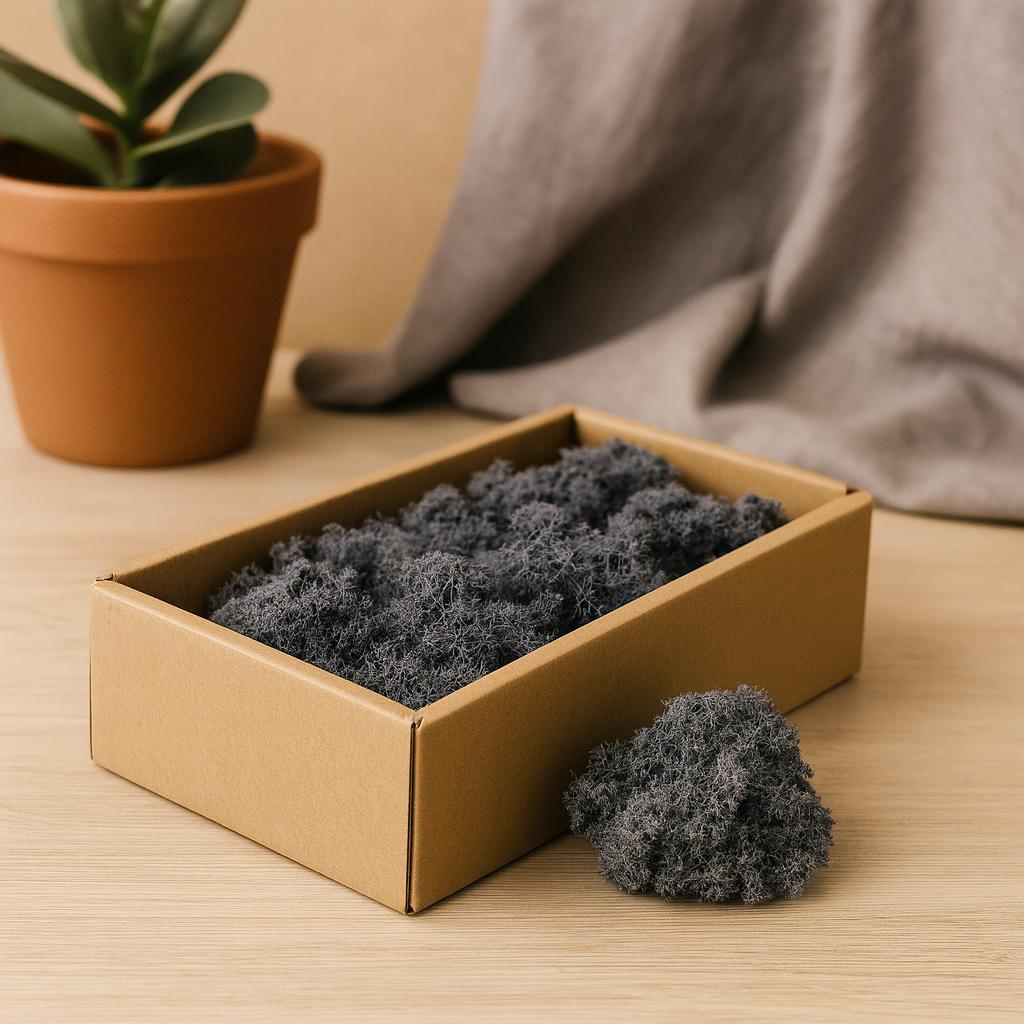
Preserved Reindeer Moss Charcoal Grey 500g
Текущая цена
Цена 6 900 ₽ руб.
ЦветКак на картинке

Бесплатная доставка в Россию
26 ноября - 10 декабря
 Товар из Великобритании

Безопасность платежей и защита данных


 Возврат по недоставкеГарантия по качествуНадежная логистикаЗащита конфиденциальности
Характеристики
Страна производства
Китай
Описание



Отзывы
Покупатель
5 июня
Покупатель
6 октября
Покупатель
11 сентября
Покупатель
24 марта
Покупатель
5 октября
Покупатель
16 августа
Большемерит
Покупатель
3 июля
Покупатель
10 июня
Похожие товары


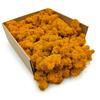
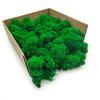
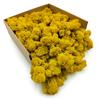

Стабилизированный ягель угольно-серый 500 г — купить товар онлайн с бесплатной доставкой по всему миру!
Доступные цвета:
Качественные материалы:
Реальные фото и отзывы покупателей.
Большой размерный ряд:
Отзывы о похожих товарах
Доставка по России
Международный ассортимент
Возврат средств за заказы, соответствующие условиям, и круглосуточная поддержка клиентов
Скидка на первую покупку для новых клиентов