----------------------------------------------------------------------
【Voltage Compatibility】
When using electrical appliances, please note that they are designed for Japanese voltage specifications (90-110V), so if you use them with a different voltage, it may cause a malfunction.
【Plug Type】
Our products use Japanese plug types (A or B type).
Please use a conversion adapter if necessary.
【Important Note on Transformers and Adapters】
A transformer adjusts voltage to match your device’s requirements.
A conversion adapter only changes the plug shape and does not adjust voltage.
Using only a conversion adapter without a transformer may result in damage to the product.
【Liability】
We are not responsible for malfunctions or damages caused by improper use, such as operating the product without a transformer.
----------------------------------------------------------------------
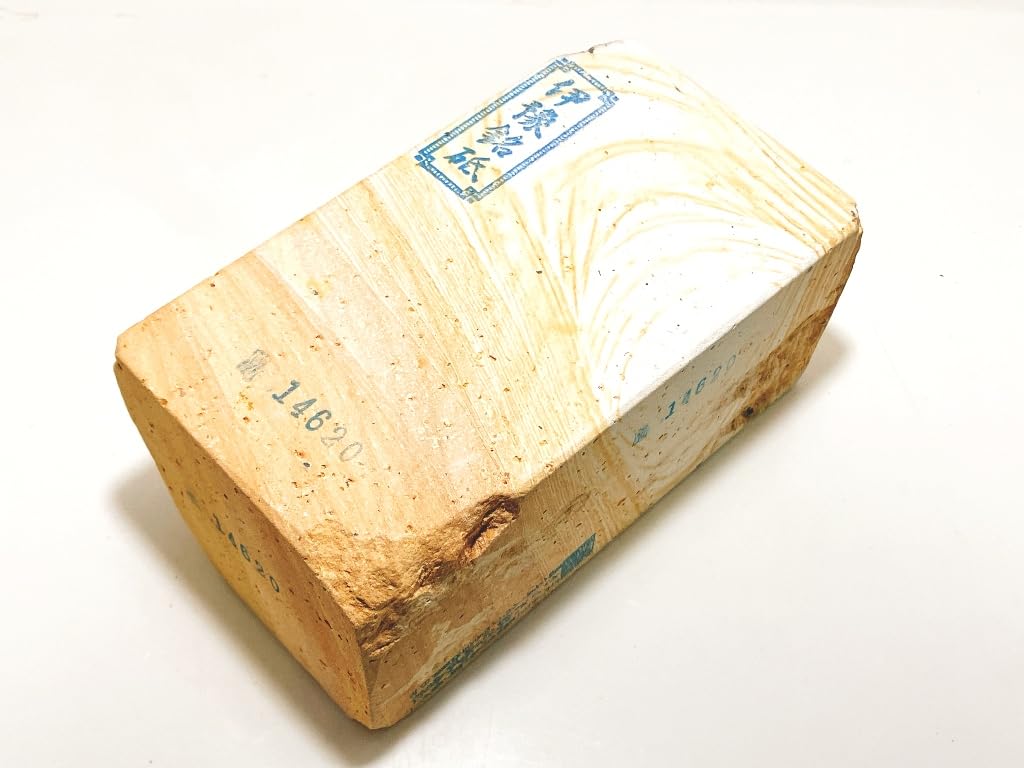
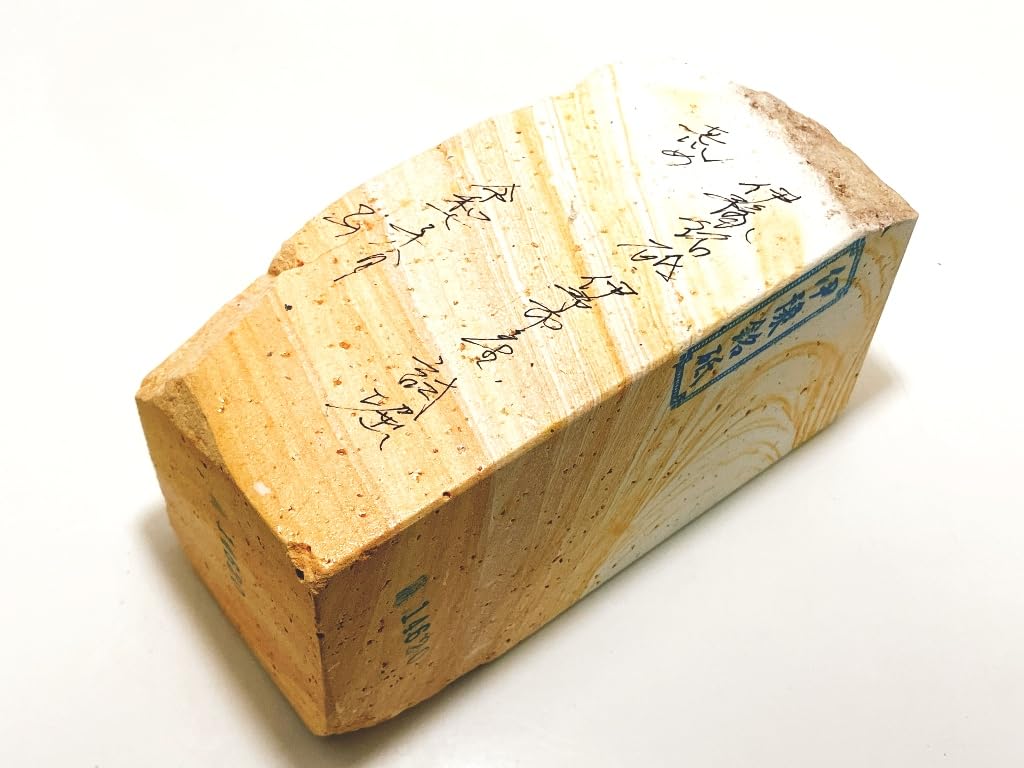
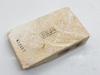
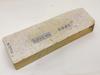
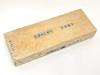
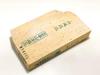
79 x 143 x 65 mm 1,551g Easy to lose
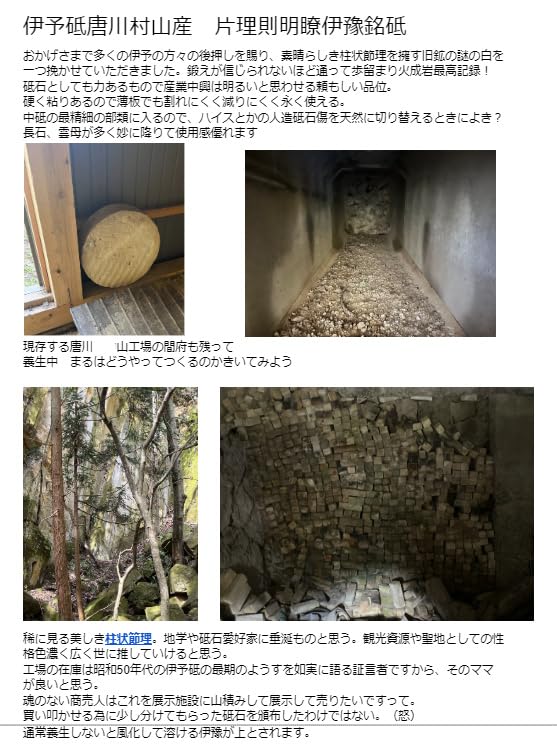
It originates from a place close to the mountains where the raw materials for Tobe ware were extracted during the Meiji period.
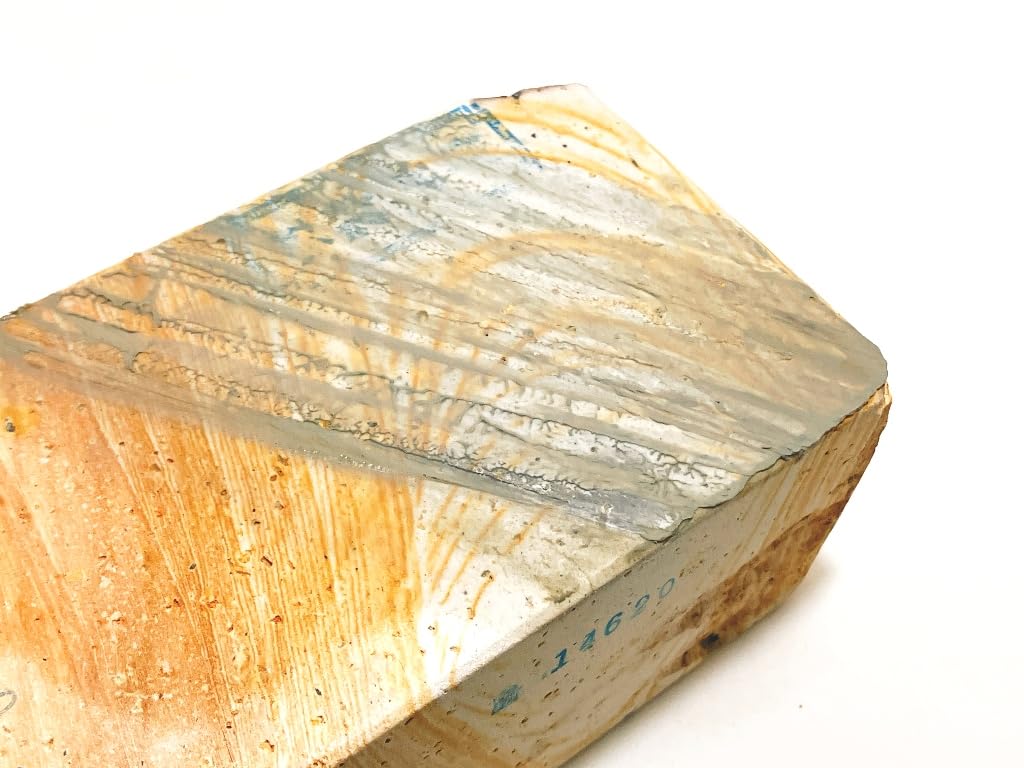
Rough-surfaced modified rhyolite from Tobe-cho, Iyo-gun, Ehime Prefecture, #800~4,000 grit. The harder it is, the higher the chance of it being finer.
The blacker the rock juice, the harder and finer the stone tends to be. The harder the stone, the less sharp it becomes, so we perform the "Konagura-gake" process each time we sharpen it, depending on the purpose and level of skill.
Natural whetstones from Iyo Province are said to have been circulating in the Setouchi region since the Kofun period, and the region is renowned as a leader in the world's oldest and largest whetstone industry, based on igneous rocks said to be over 1,500 years old.
Our country's fine whetstone resources were so valuable that they could completely change the nation and the people.
The fact that the country's unique iron sand metallurgy, which had a significantly lower yield due to a shortage of iron ore, and its location on an isolated island in the Far East meant that it was a latecomer was a fatal condition, like losing a limb, for the creation of an iron civilization.
Considering our history and tradition, it is clear that consumables that can be used to process harder and tougher iron products as desired are the source of our country's fine whetstones.
Until the 19th century, the performance of natural whetstones dominated the development of ironware.
Despite its poor location for construction, it is both the oldest and largest wooden structure in the world.
The Japanese sword is a product of superb ironworking techniques, and for 700 years the age of samurai warriors risked their lives for a single swing of the sword.
Despite being a latecomer to the frontier, Japan had already invented the world's best iron products in the Middle Ages, and today it is known as a manufacturing nation.
The Age of Iron lasted from prehistoric times until the middle of the Heisei era. In other words, the power to produce iron was the very medium that spun not only manufacturing but also culture and the maturity of the nation.
These precious whetstones, which are hard to replace, rare, unique and authentic, have overcome the many adversities that have befallen iron.
If we measure Japan's various resources using modern values, when oil and nuclear power had no value, we can say that Japan is a resource-rich nation.
The strength gained only in the process of pushing back against scarcity and limitations is what gives depth and soul to history and tradition.