★★★★★★★★★★★
Hey there!
Welcome to our shop!
We love sharing awesome goodies from Japan with the world
– from top-quality beauty & skincare products, fun daily items, to cool toys and anime merch✨
We’ve already shipped happily to customers in Russia, UK, Georgia,
Moldova, Ukraine, Czech Republic, Slovakia, Switzerland, Portugal,
Belgium, Austria, France, Netherlands, Greece, Sweden, Hungary,
Kazakhstan, Romania, Norway… and many more!
Wherever you are, we’re ready to send a bit of Japan straight to your door.
💌 Why shop with us?
100% authentic Japanese products✨️
Fast international shipping & careful packing.
Friendly English support – just message us anytime!
Bring a slice of Japan into your home.
Enjoy browsing and have fun shopping with us!
★★★★★★★★★★★
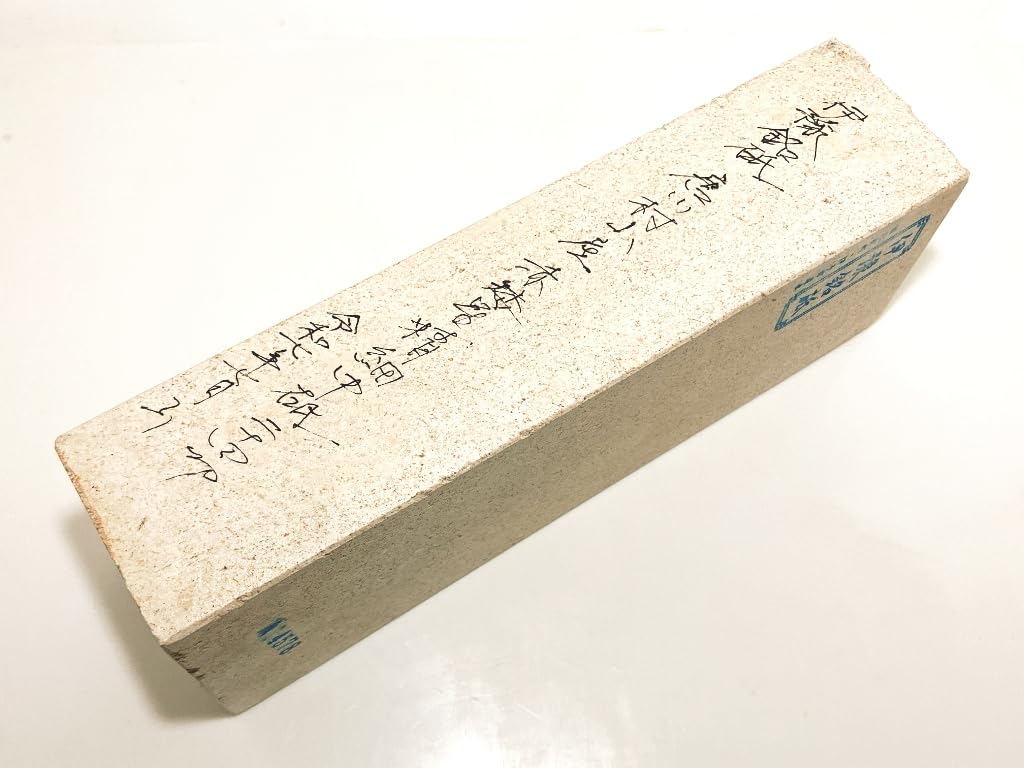
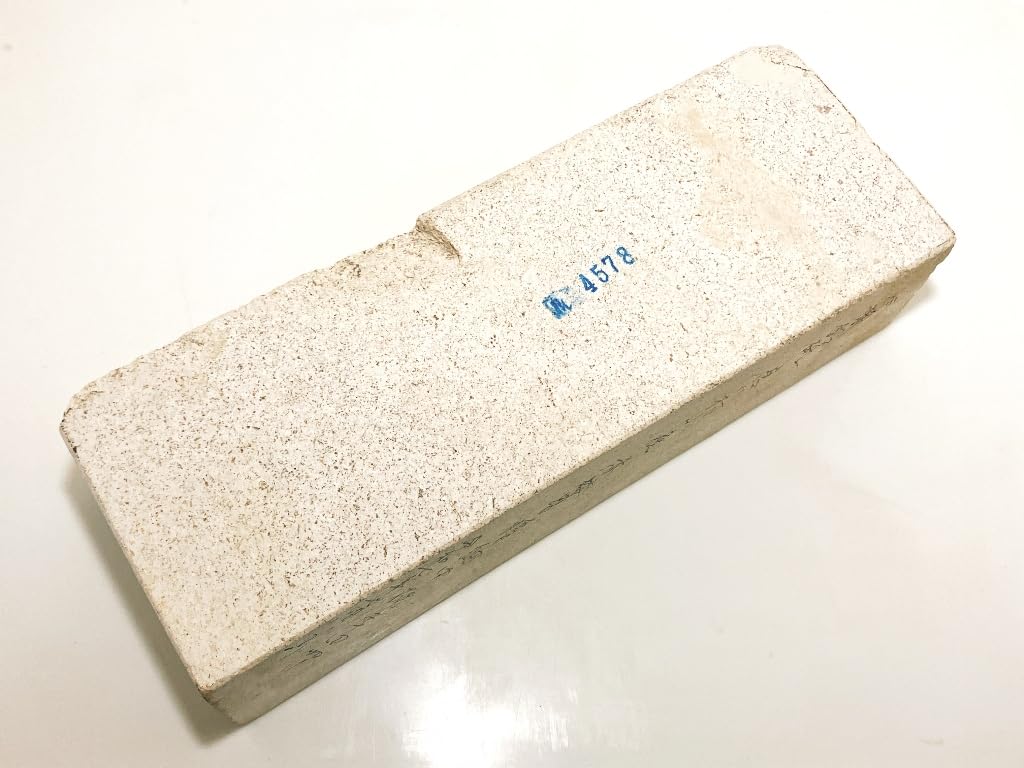
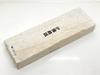
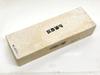
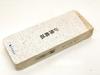
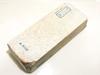
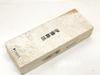
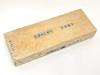
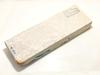
81 x 223 x 54 mm 2,296g Hard and sticky, especially fine medium-sized grinding stone, rare production rate
It is hand mined and hand split, and the grain is read and forged into a disc. High speed steel is also used, making it the best solution for changing the cross-sectional shape of the streaks.
Mining is done with heavy machinery, cutting is done with diamond cutting machines, and we are not involved in the "Iyo Meito" whetstones, as they are imitations with unauthorized branding. Since around 2007, we have been the only ones making the "Iyo Meito" name. To distinguish between these, all names except for Kokoppa are handwritten. We cannot answer any inquiries about "Iyo Meito" that are not processed or manufactured by our company.
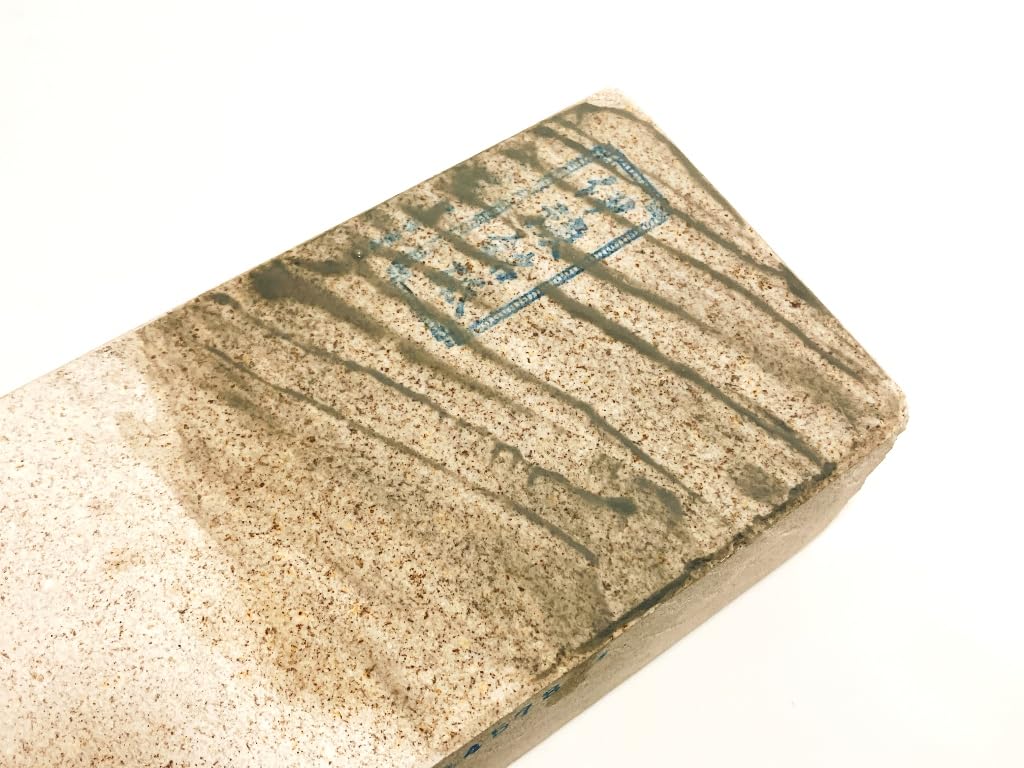
Rough-surfaced modified rhyolite and andesite from Iyo City, Ehime Prefecture, Japan, #1,000-5,000 grit; the harder the stone, the finer the grain. Strongest retention of tenacity relative to hardness. Neutral and rust-resistant, unlike other Iyo grinding stones. Grinding ability recovers well when raised with diamonds #400 or smaller. Recommended by Kyonagura. Rounded, continuous striations ensure long-lasting cutting at around 70% of the threshold, and with an artificial grinding stone grit ratio, it is difficult to achieve a dull mirror finish, making it easy to bring out the contrast of the forging joint, material, and carbon content.
The blacker the rock juice, the harder and finer the stone tends to be. The harder the stone, the less sharp it becomes, so we perform the "Konagura-gake" process each time we sharpen it, depending on the purpose and level of skill.
Natural whetstones from Iyo Province are said to have been circulating in the Setouchi region since the Kofun period, and the region is renowned as a leader in the world's oldest and largest whetstone industry, based on igneous rocks said to be over 1,500 years old.
Our country's fine whetstone resources were so valuable that they could completely change the nation and the people.
The fact that the country's unique iron sand metallurgy, which had a significantly lower yield due to a shortage of iron ore, and its location on an isolated island in the Far East meant that it was a latecomer was a fatal condition, like losing a limb, for the creation of an iron civilization.
Considering our history and tradition, it is clear that consumables that can be used to process harder and tougher iron products as desired are the source of our country's fine whetstones.
Until the 19th century, the performance of natural whetstones dominated the development of ironware.
Despite its poor location for construction, it is both the oldest and largest wooden structure in the world.
The Japanese sword is a product of superb ironworking techniques, and for 700 years the age of samurai warriors risked their lives for a single swing of the sword.
Despite being a latecomer to the frontier, Japan had already invented the world's best iron products in the Middle Ages, and today it is known as a manufacturing nation.
The Age of Iron lasted from prehistoric times until the middle of the Heisei era. In other words, the power to produce iron was the very medium that spun not only manufacturing but also culture and the maturity of the nation.
These precious whetstones, which are hard to replace, rare, unique and authentic, have overcome the many adversities that have befallen iron.
If we measure Japan's various resources using modern values, when oil and nuclear power had no value, we can say that Japan is a resource-rich nation.
The strength gained only in the process of pushing back against scarcity and limitations is what gives depth and soul to history and tradition.